Training programme — Drones and geospatial data for international cooperation. From aerial imagery to field-level decision-making, with advanced analysis tool integration.
Billions invested, yet decisions based on obsolete data
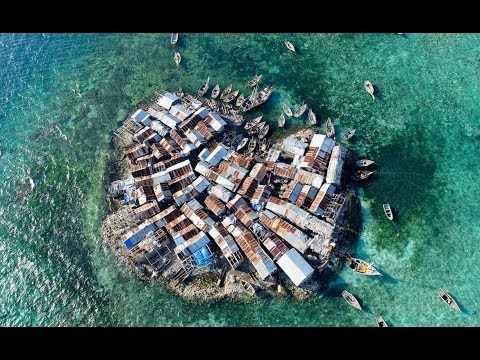
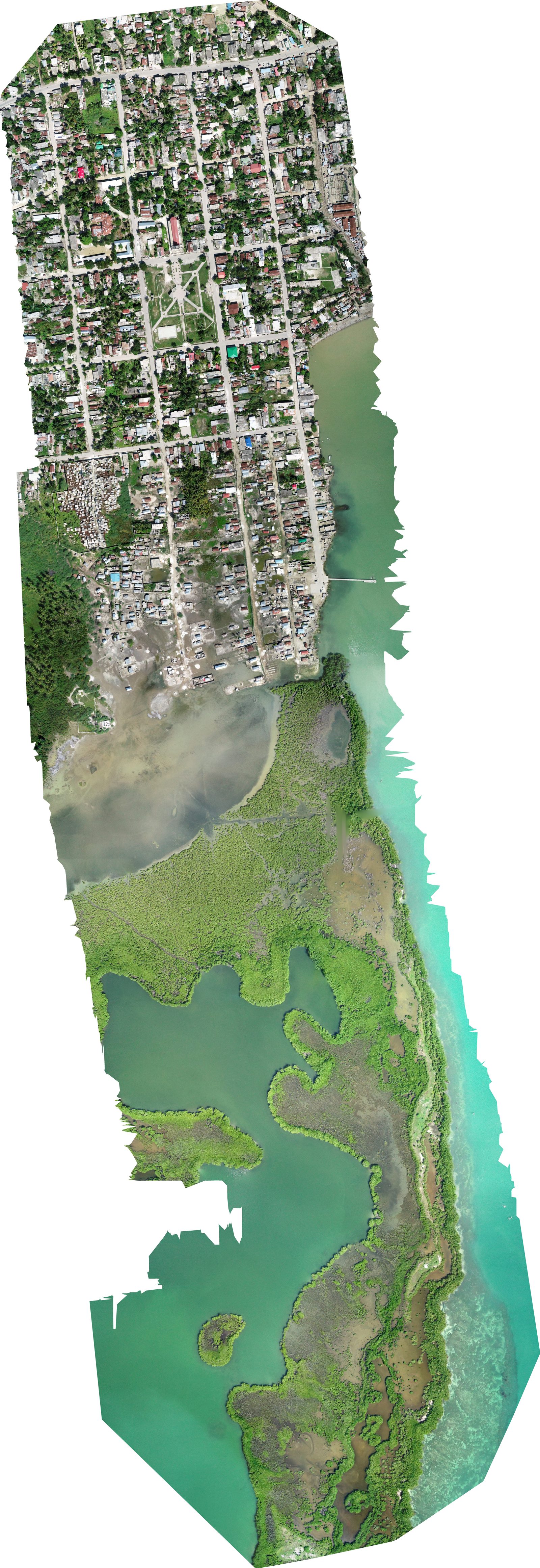
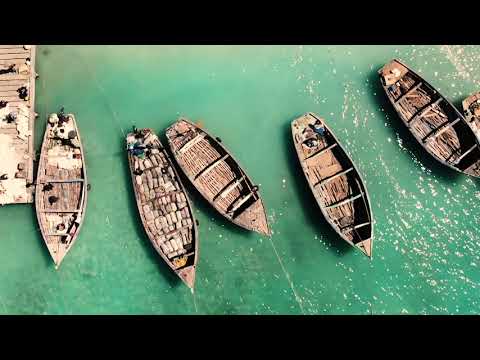
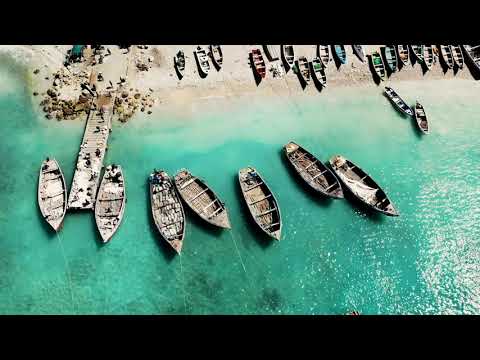
In Haiti, TerraData documented by drone coastal areas inaccessible by road — including Caye Sable, a 0.16-hectare island where 150 to 250 people live without any basic services, absent from all official maps. This type of aerial documentation directly feeds climate vulnerability assessments and donor intervention strategies.
Neverland — Caye Sable, Haiti
4K aerial documentation · 63K views
UNDP/CATIE — EbA Project Haiti
Massif de la Selle · Short version
UNDP/CATIE — EbA Project Haiti
Full documentary · 18 min
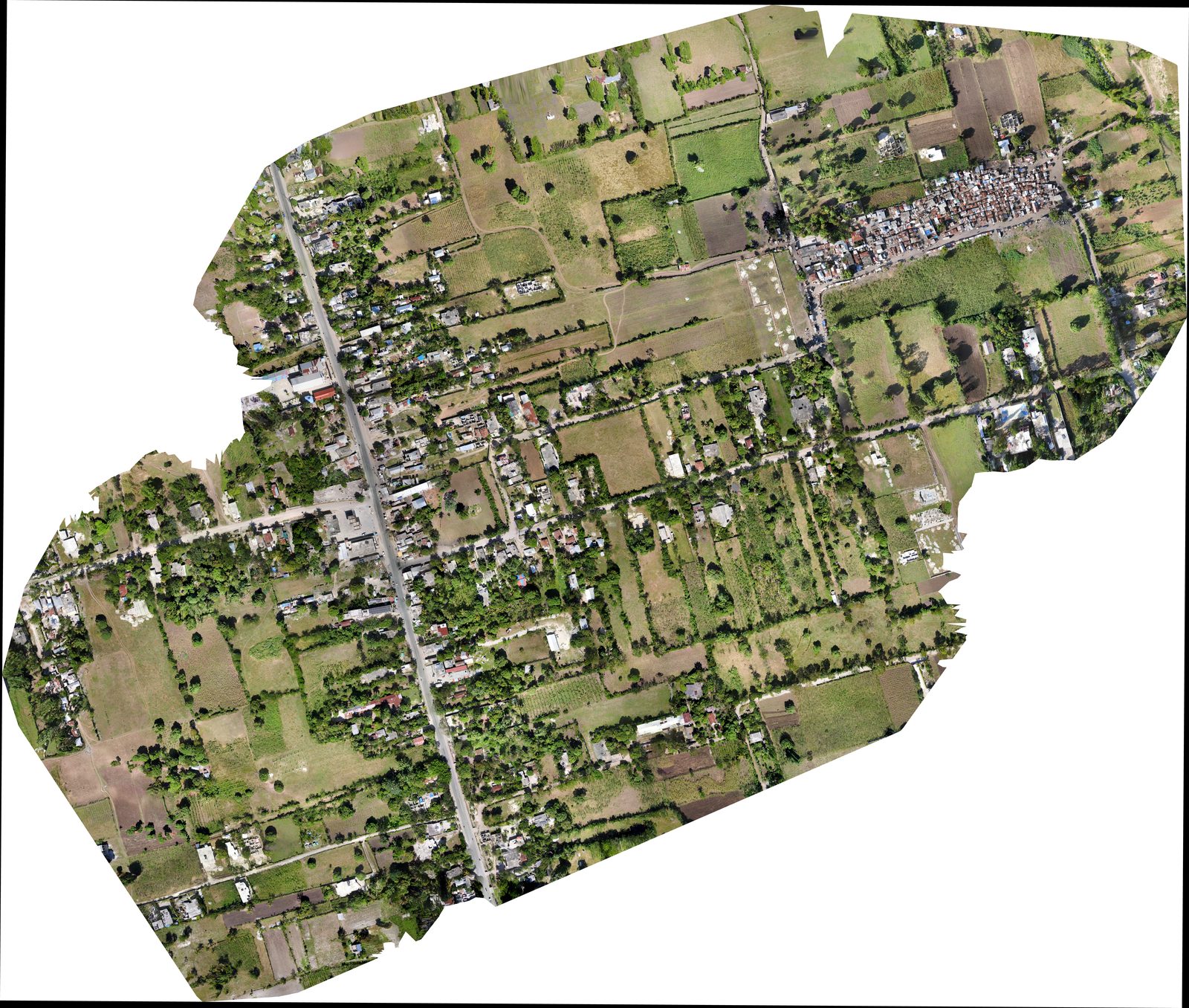
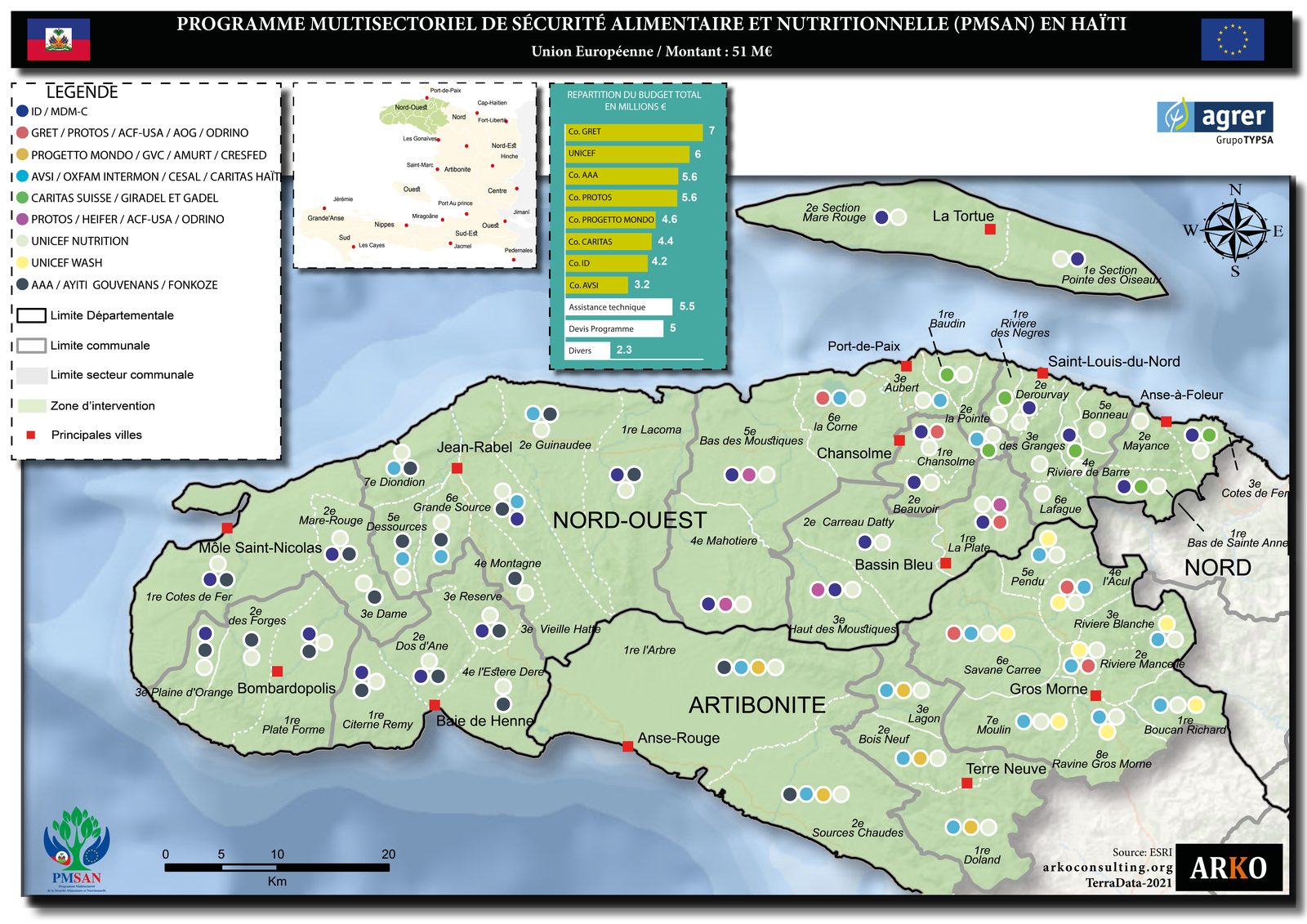
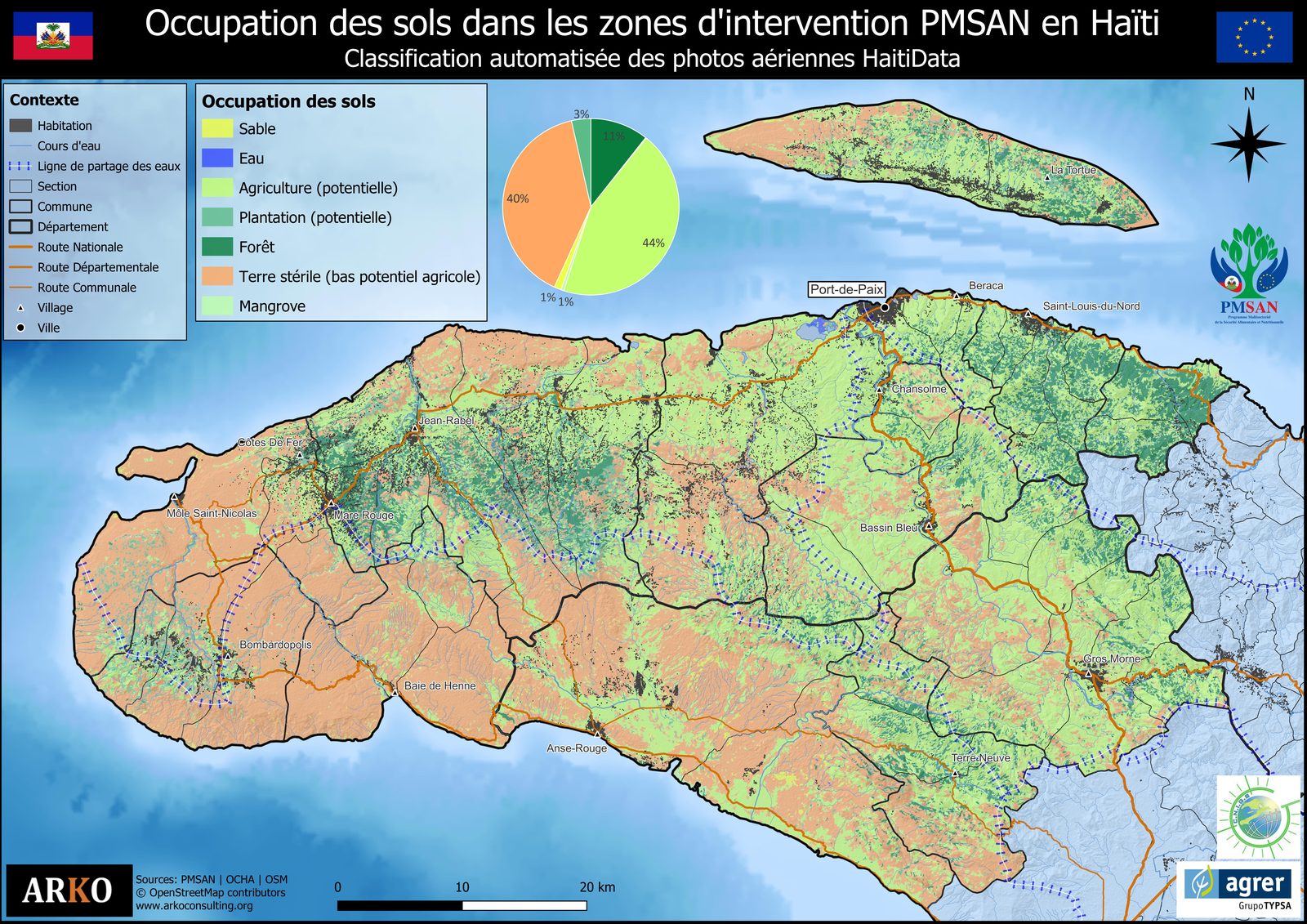
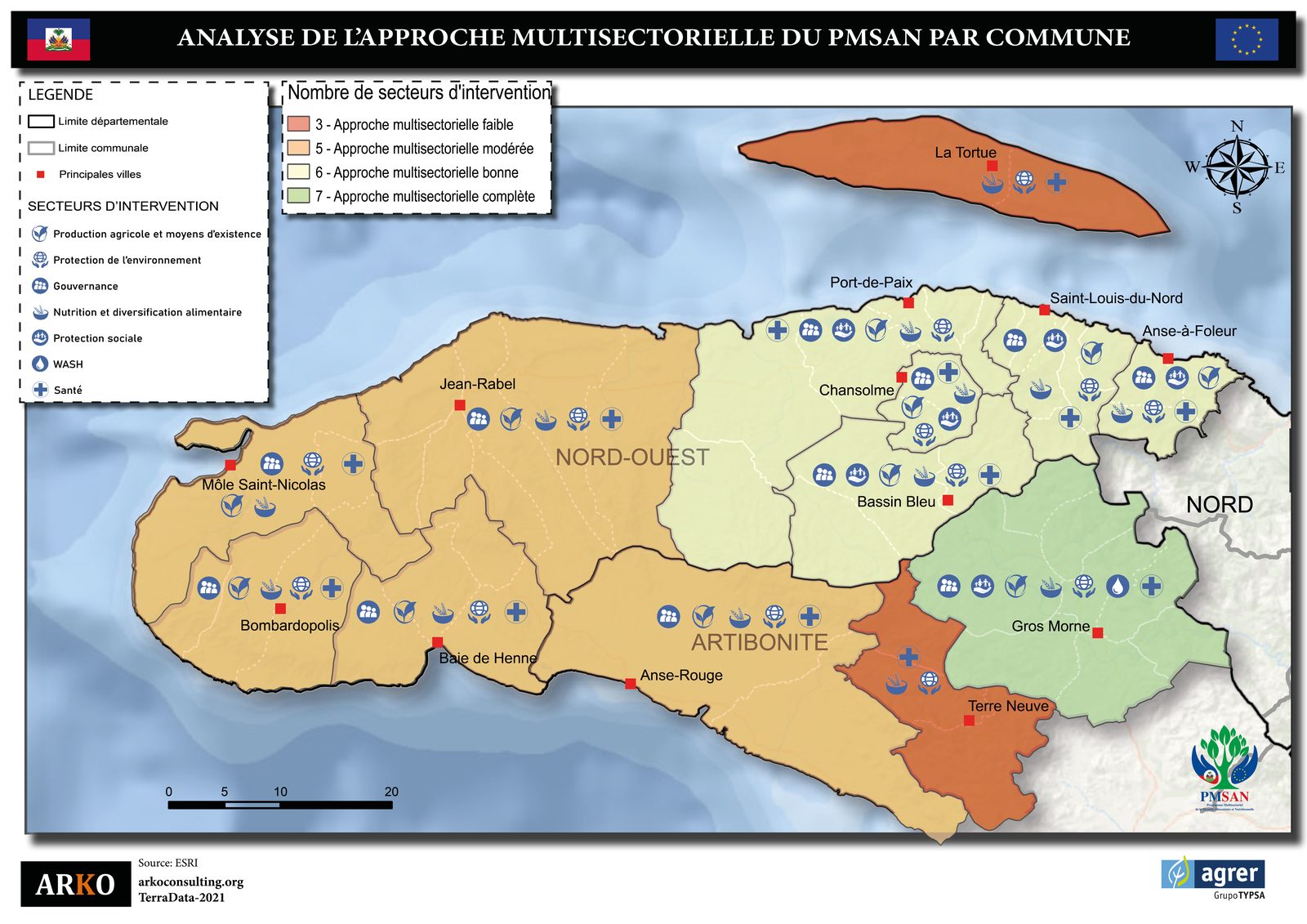
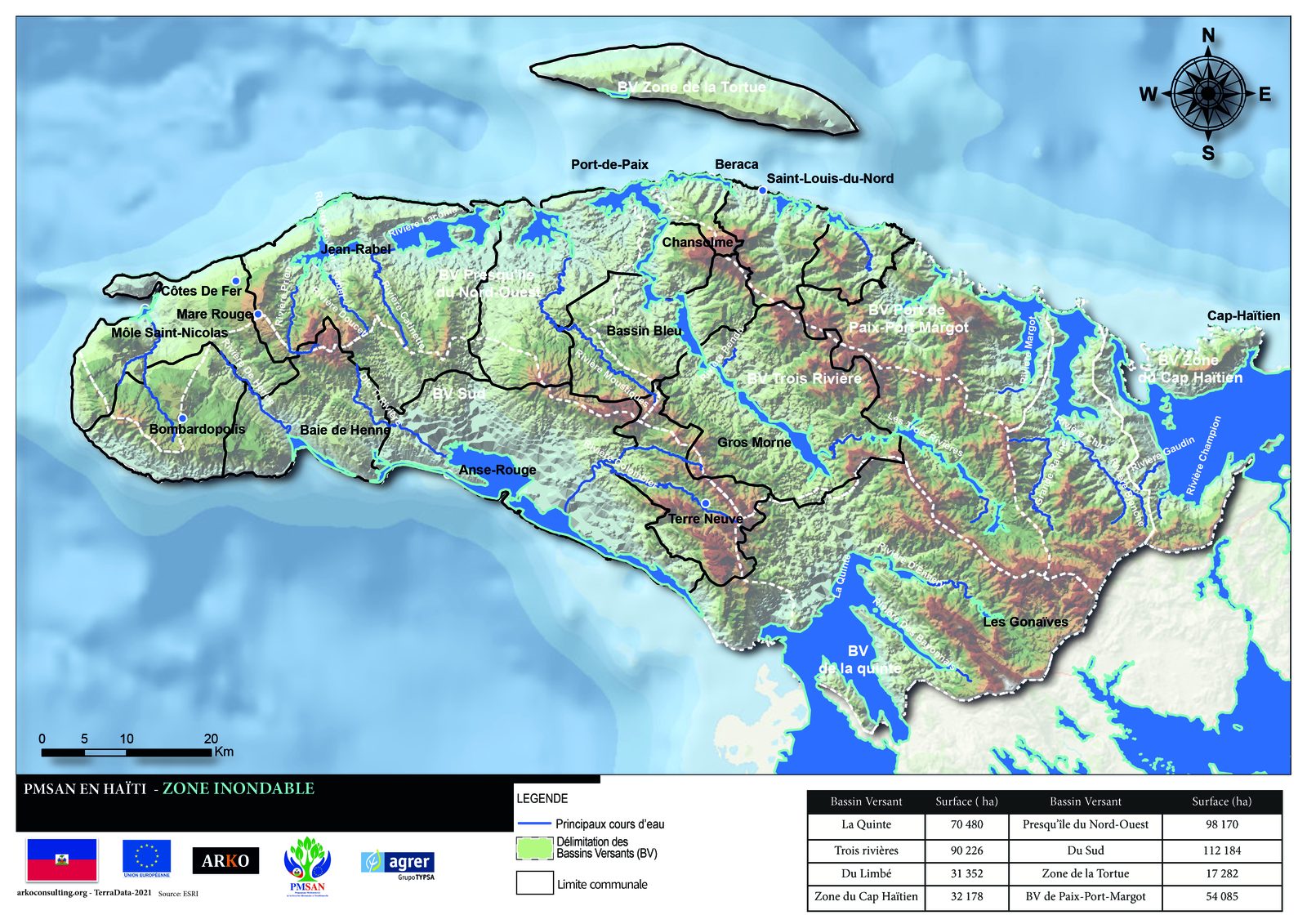
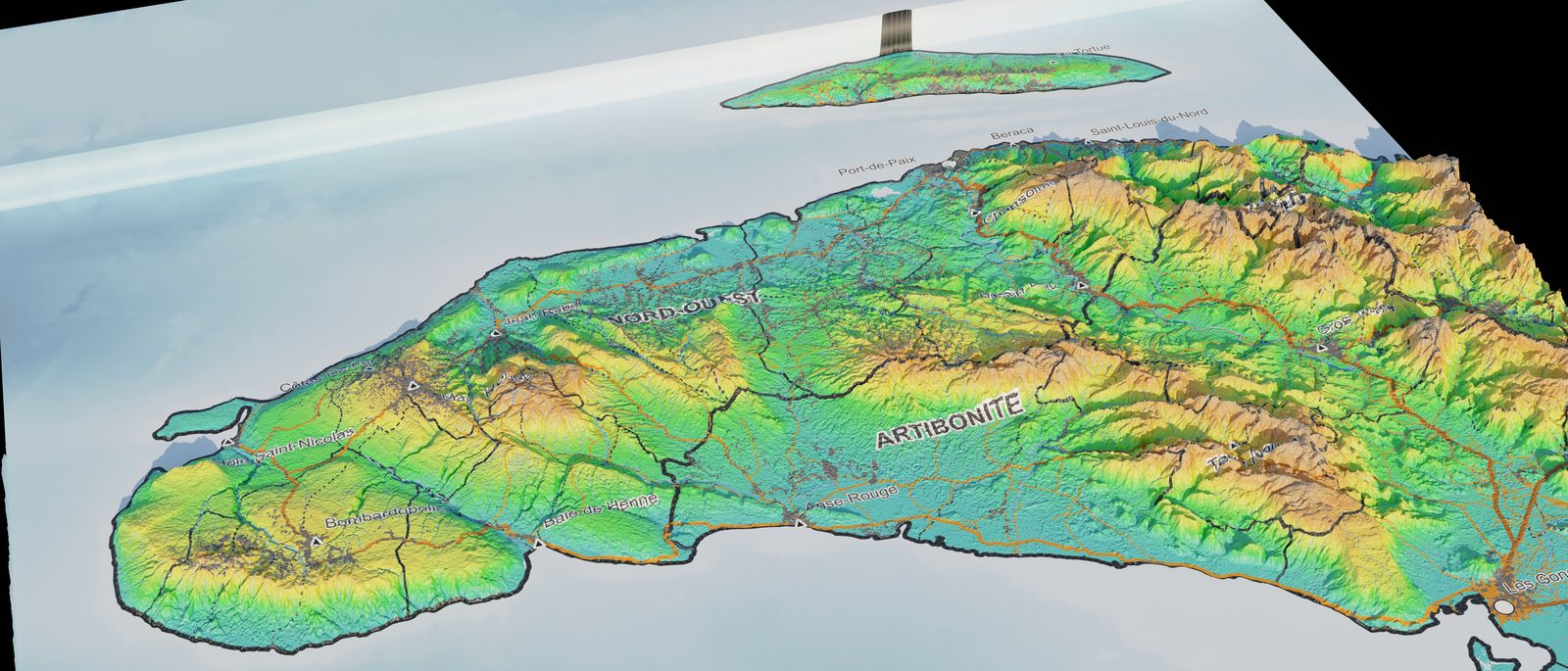
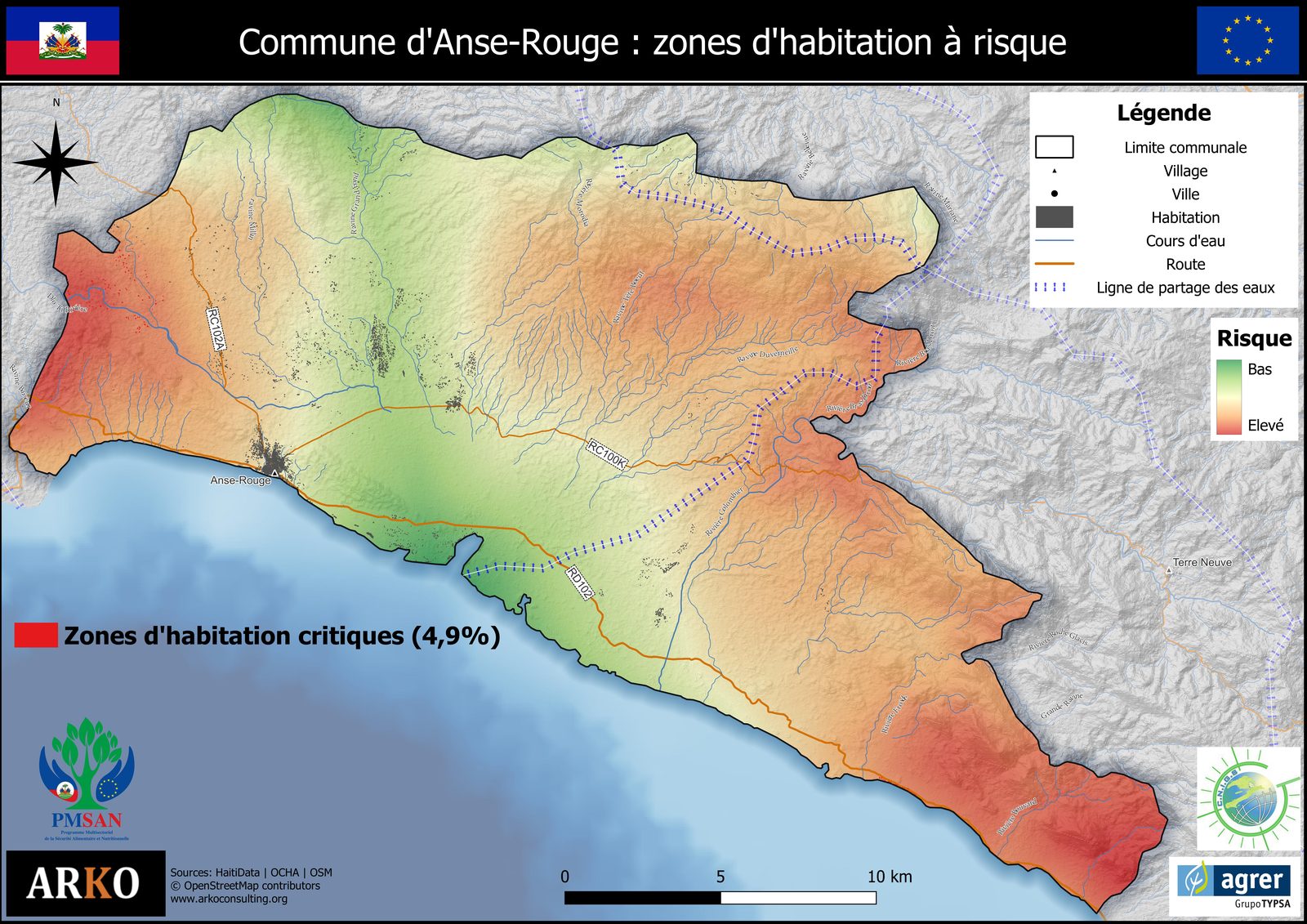
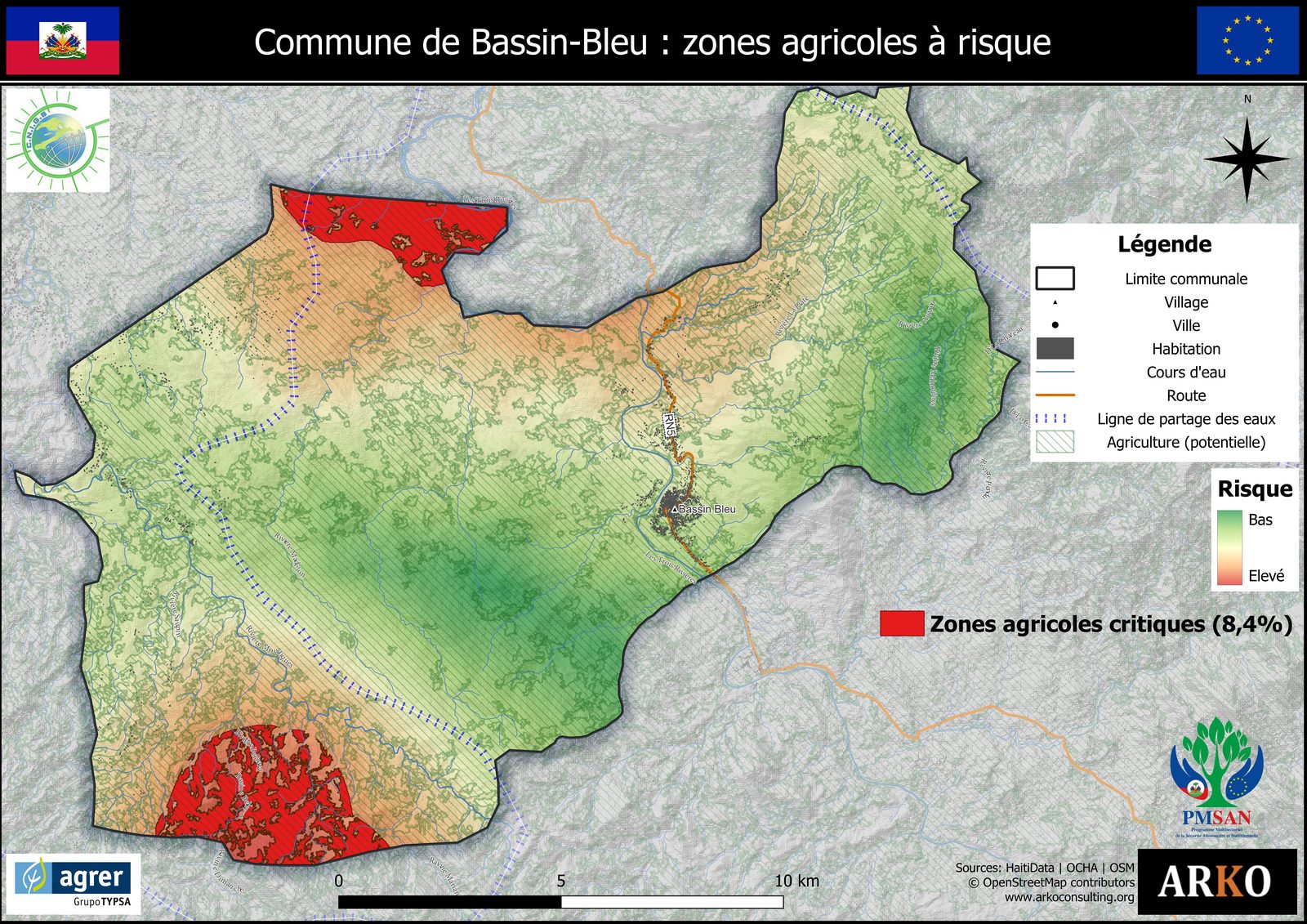
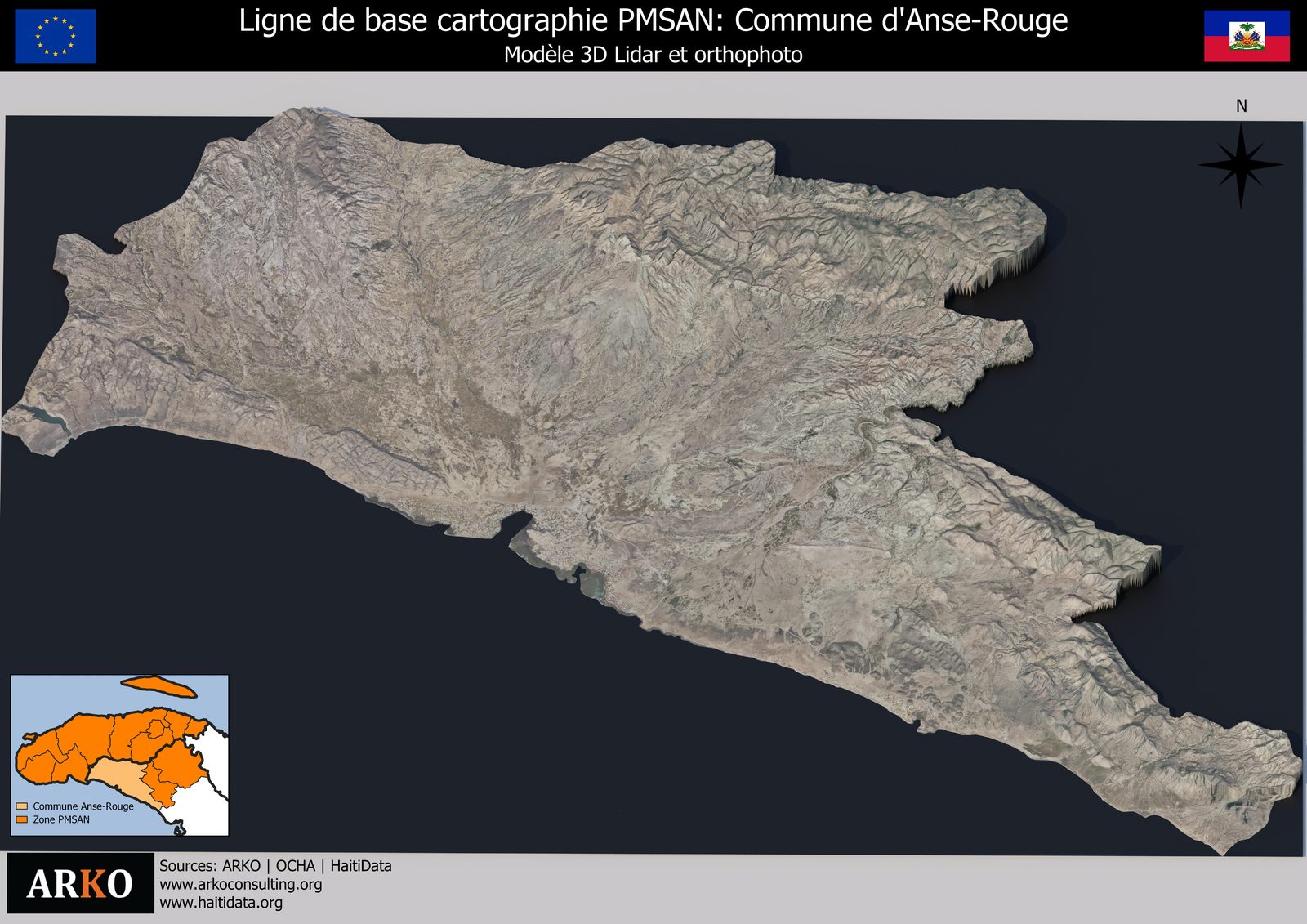
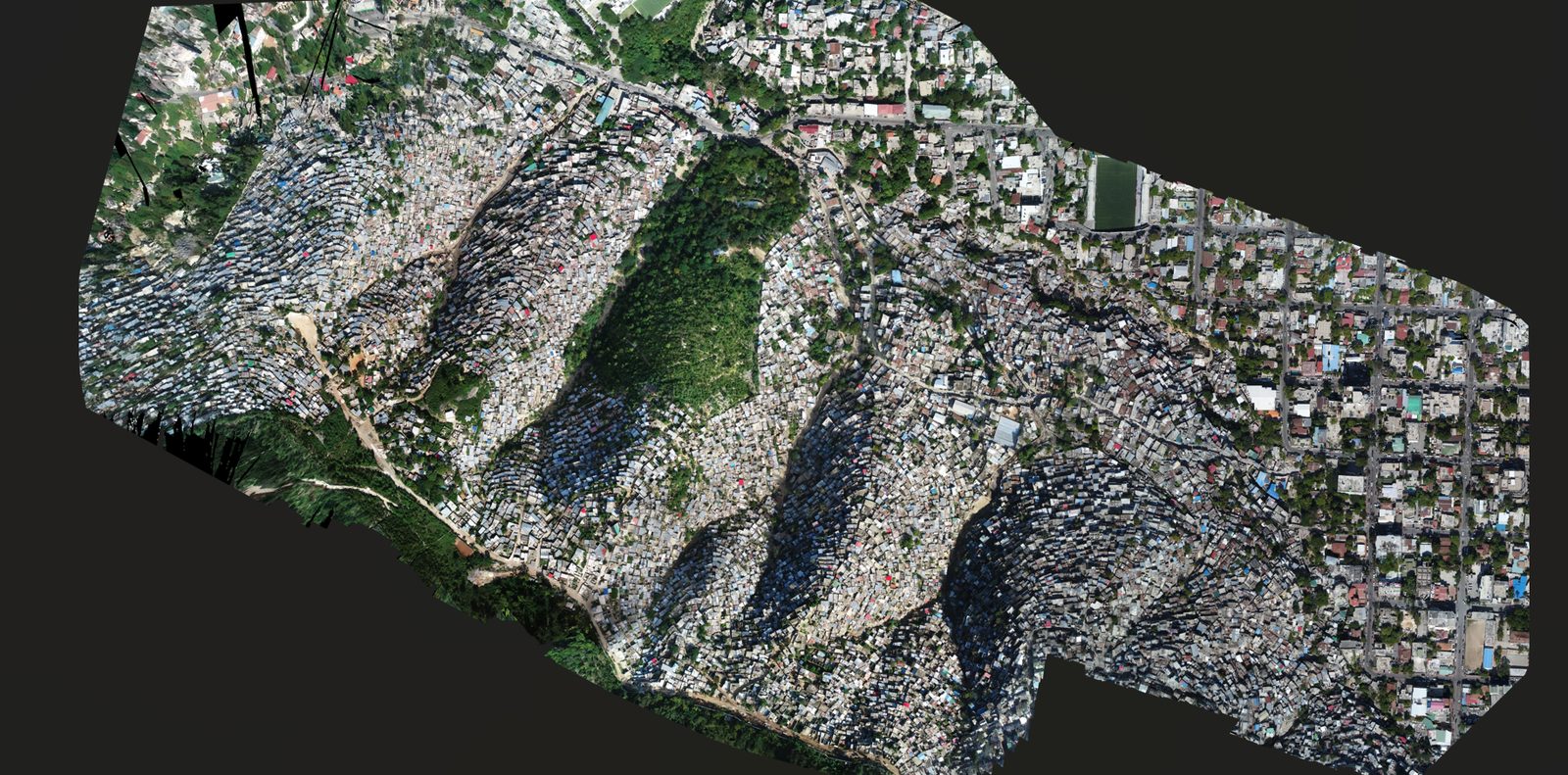
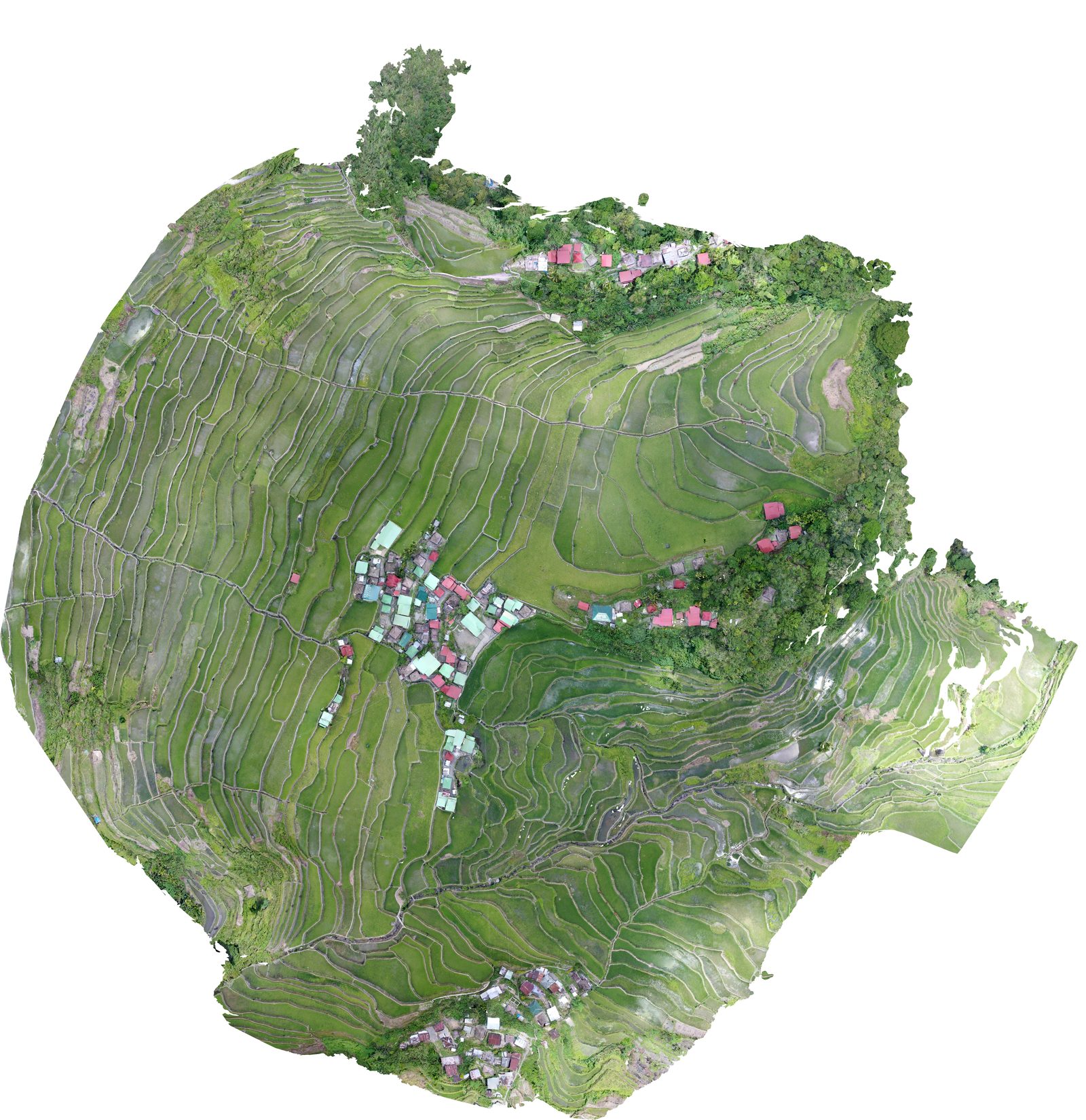
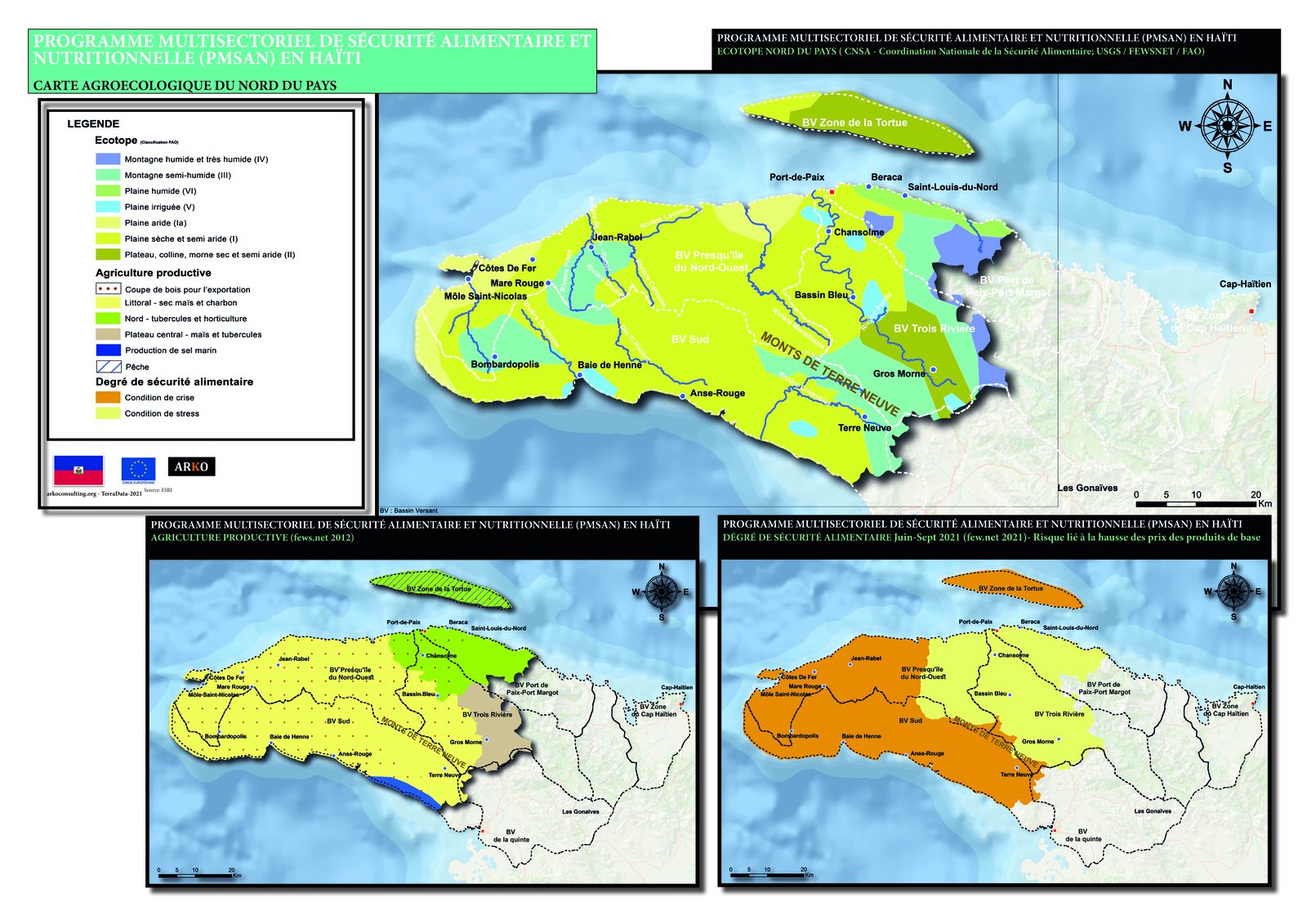
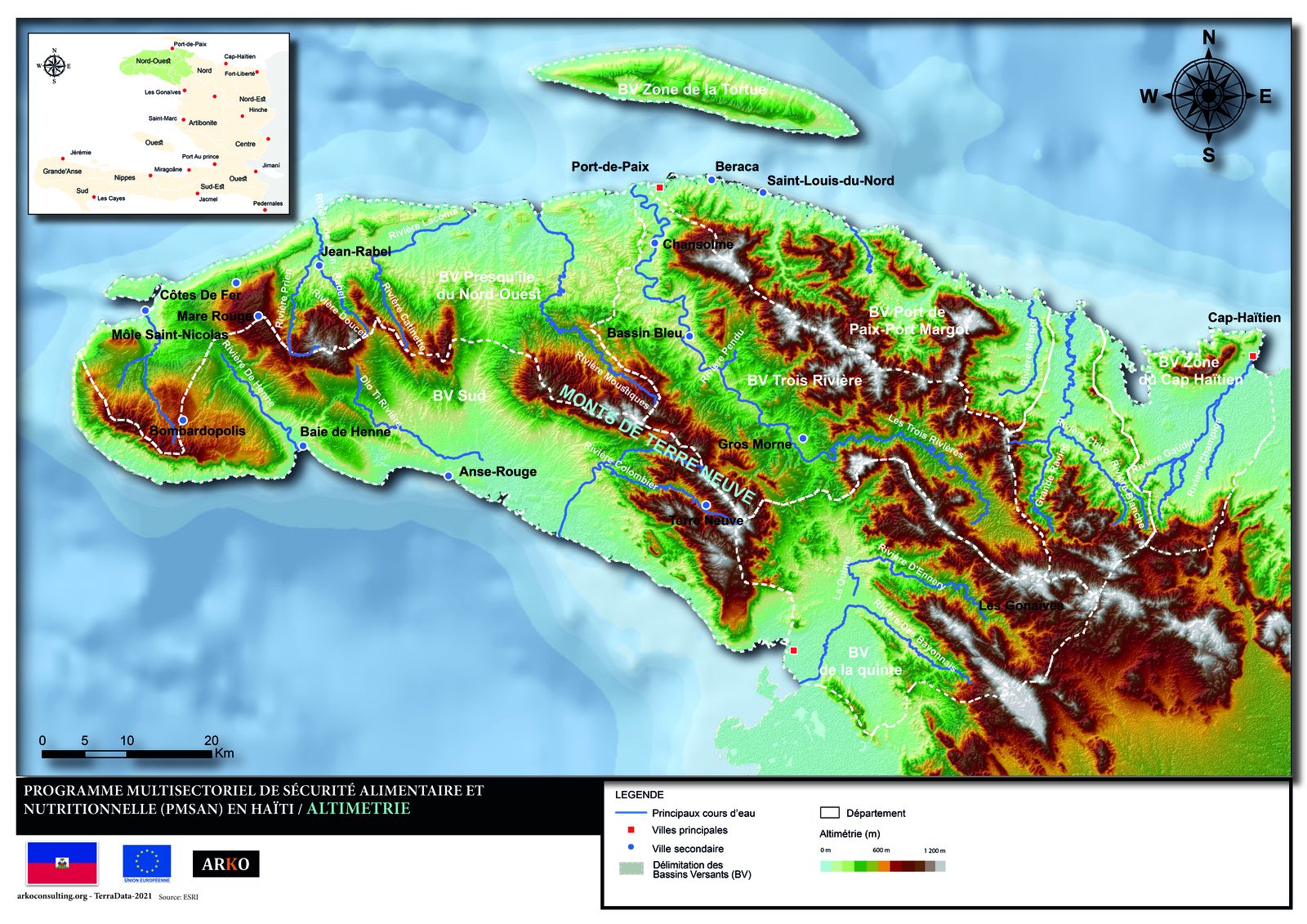
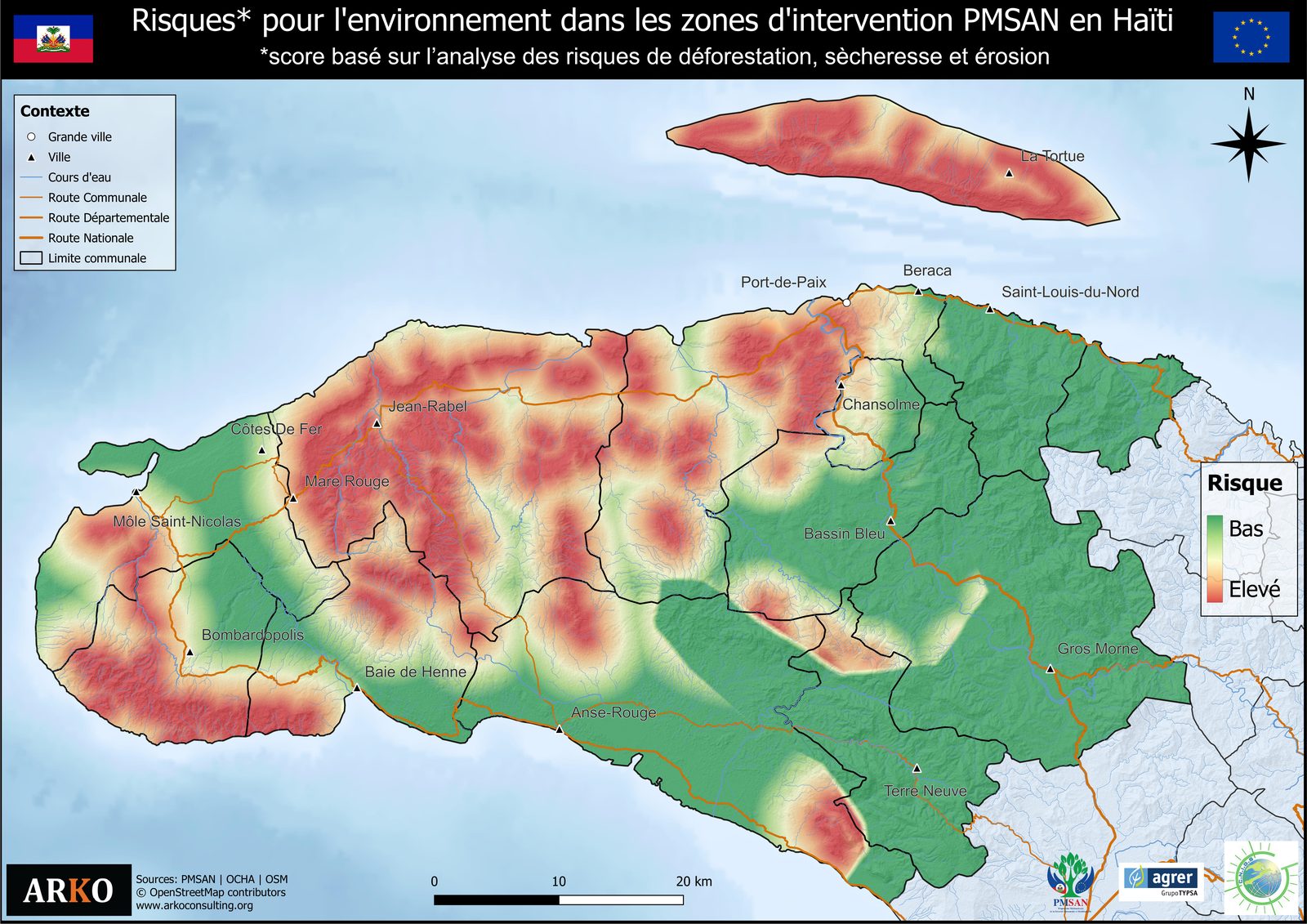
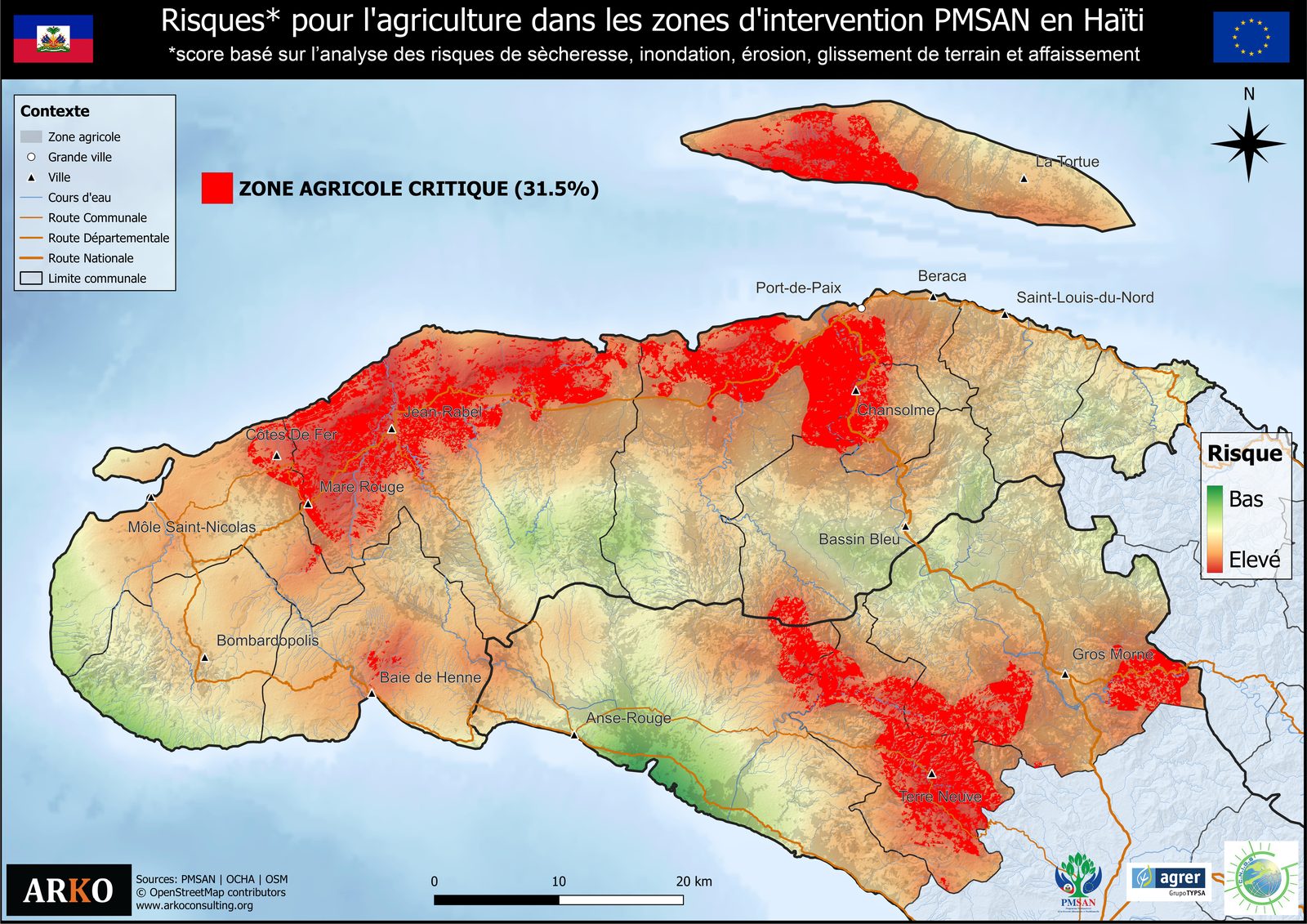
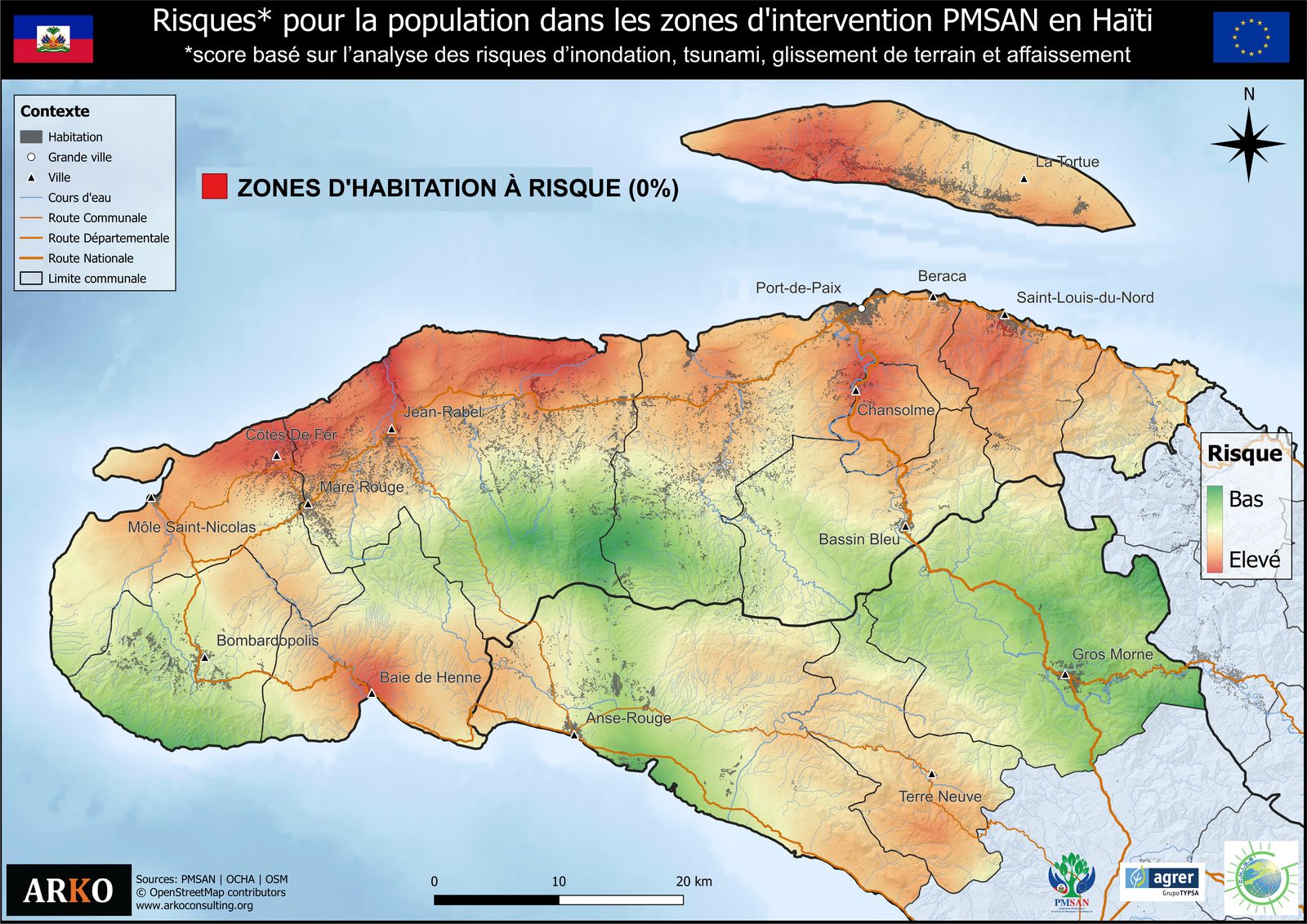
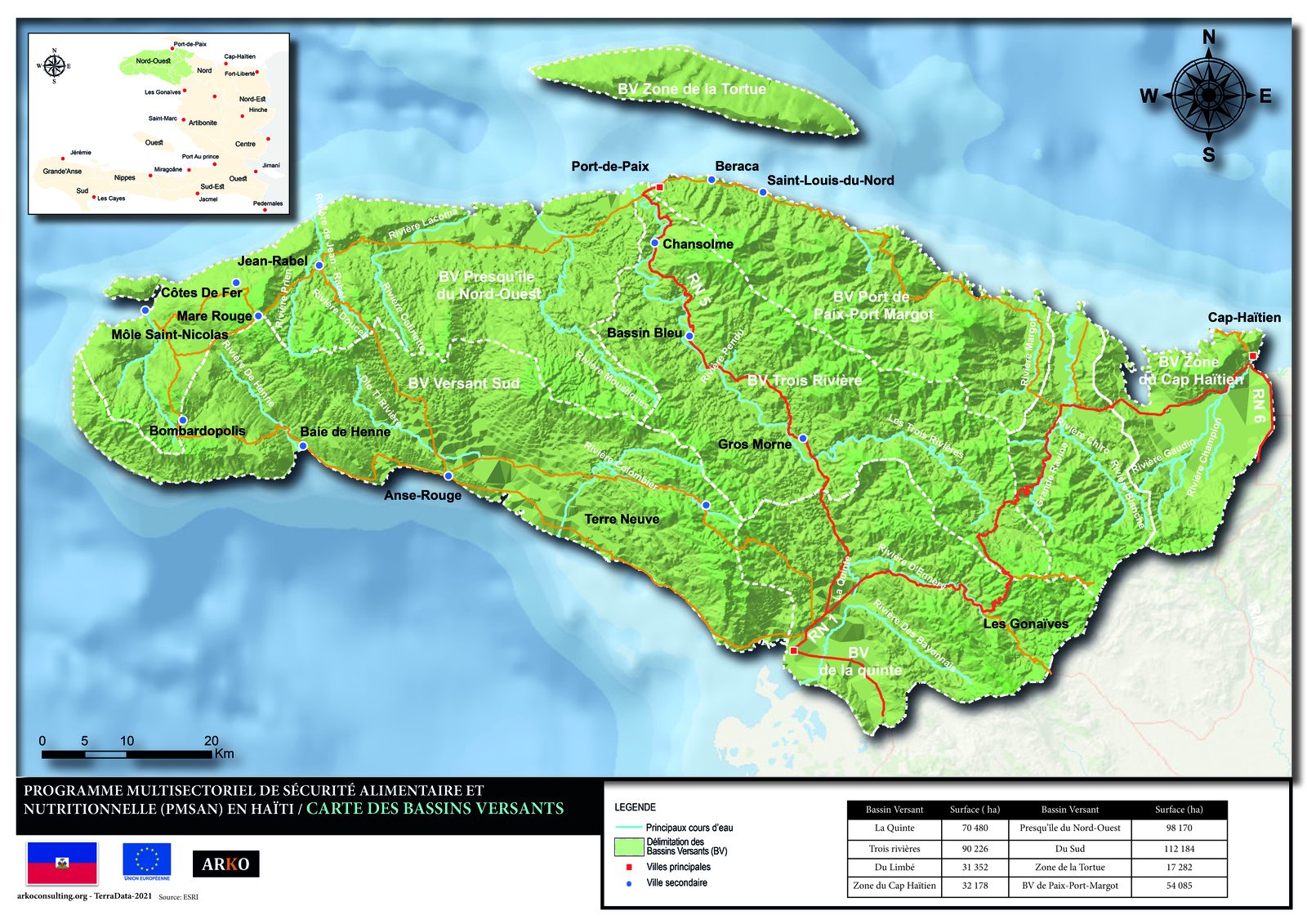
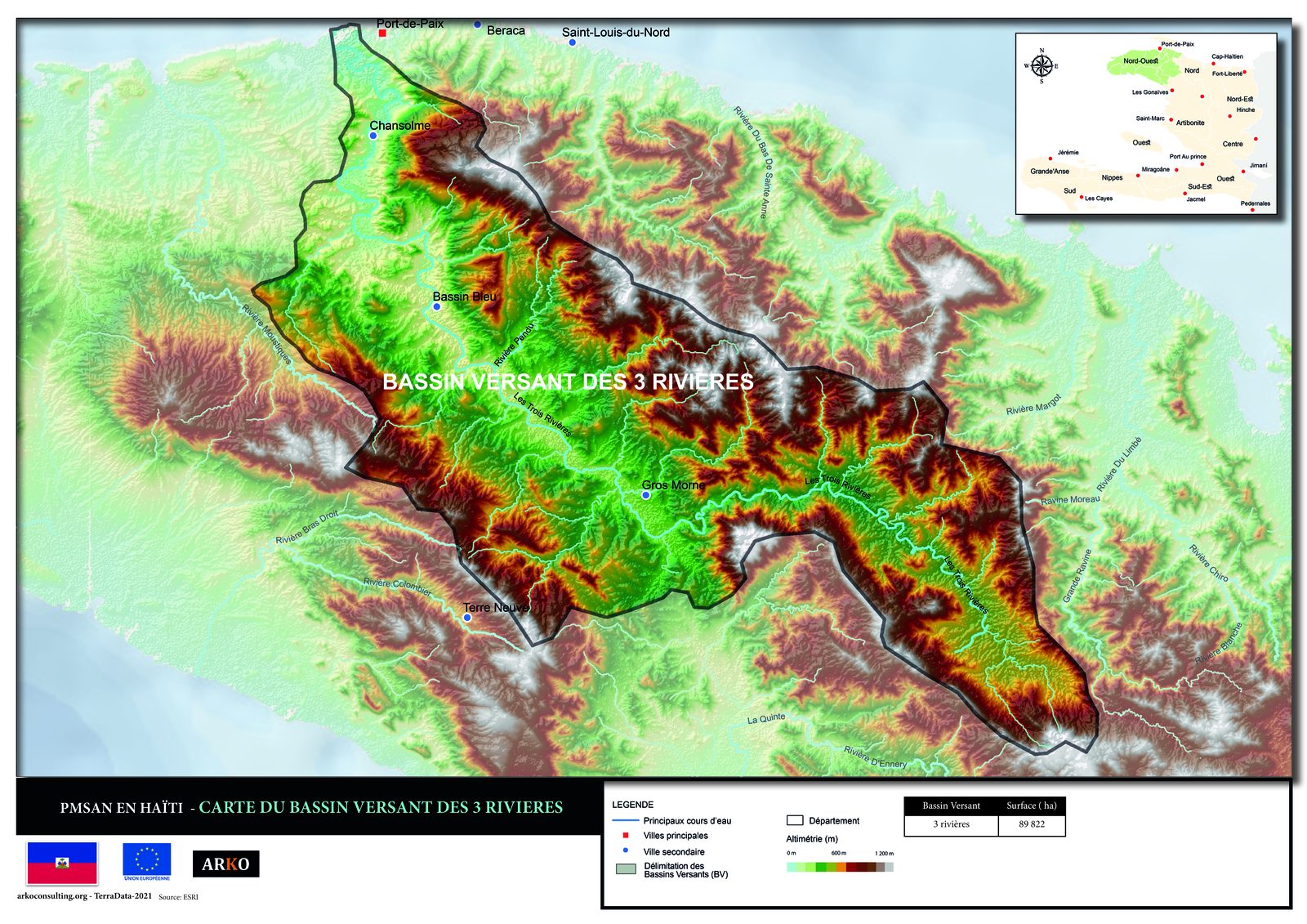
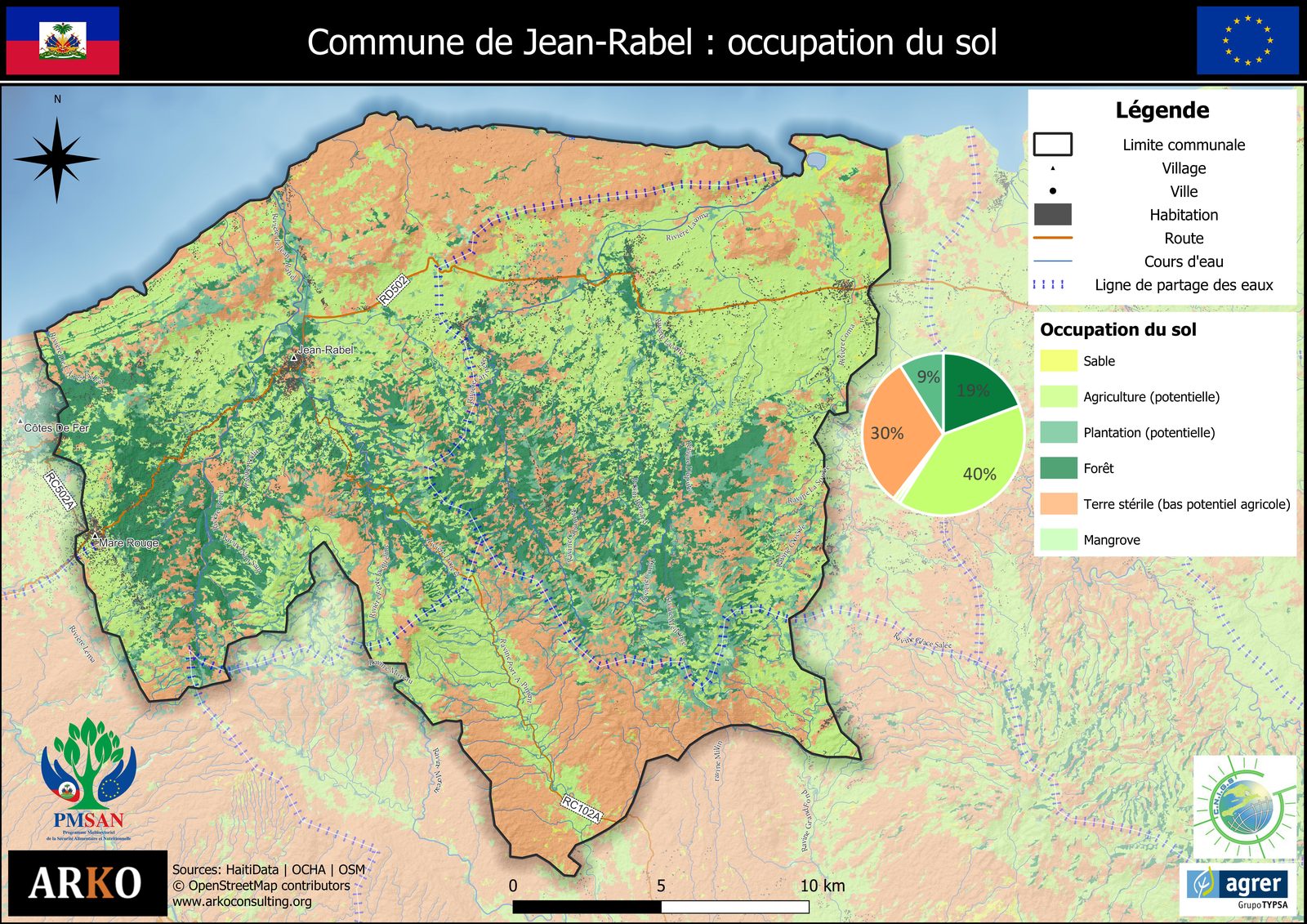
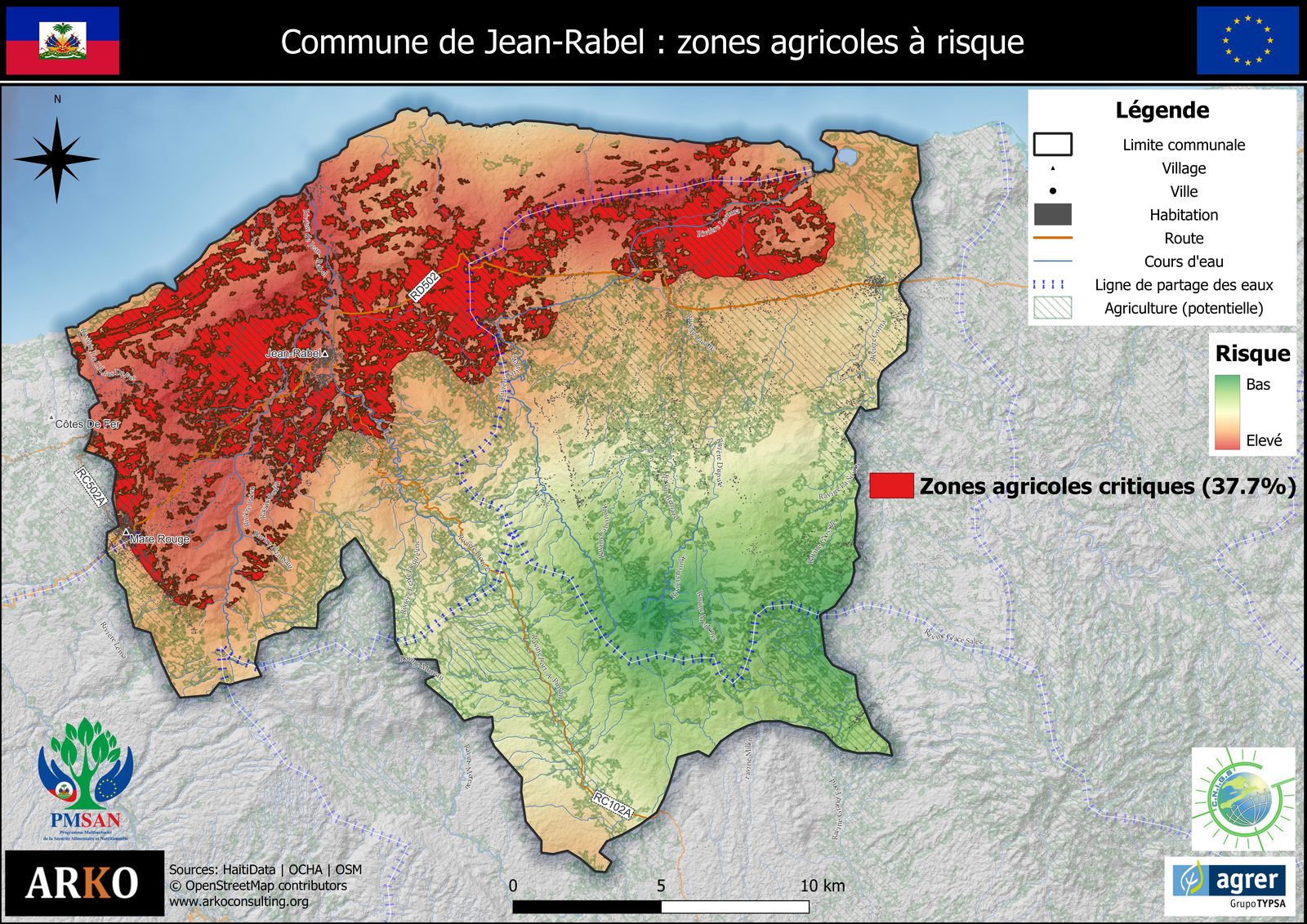
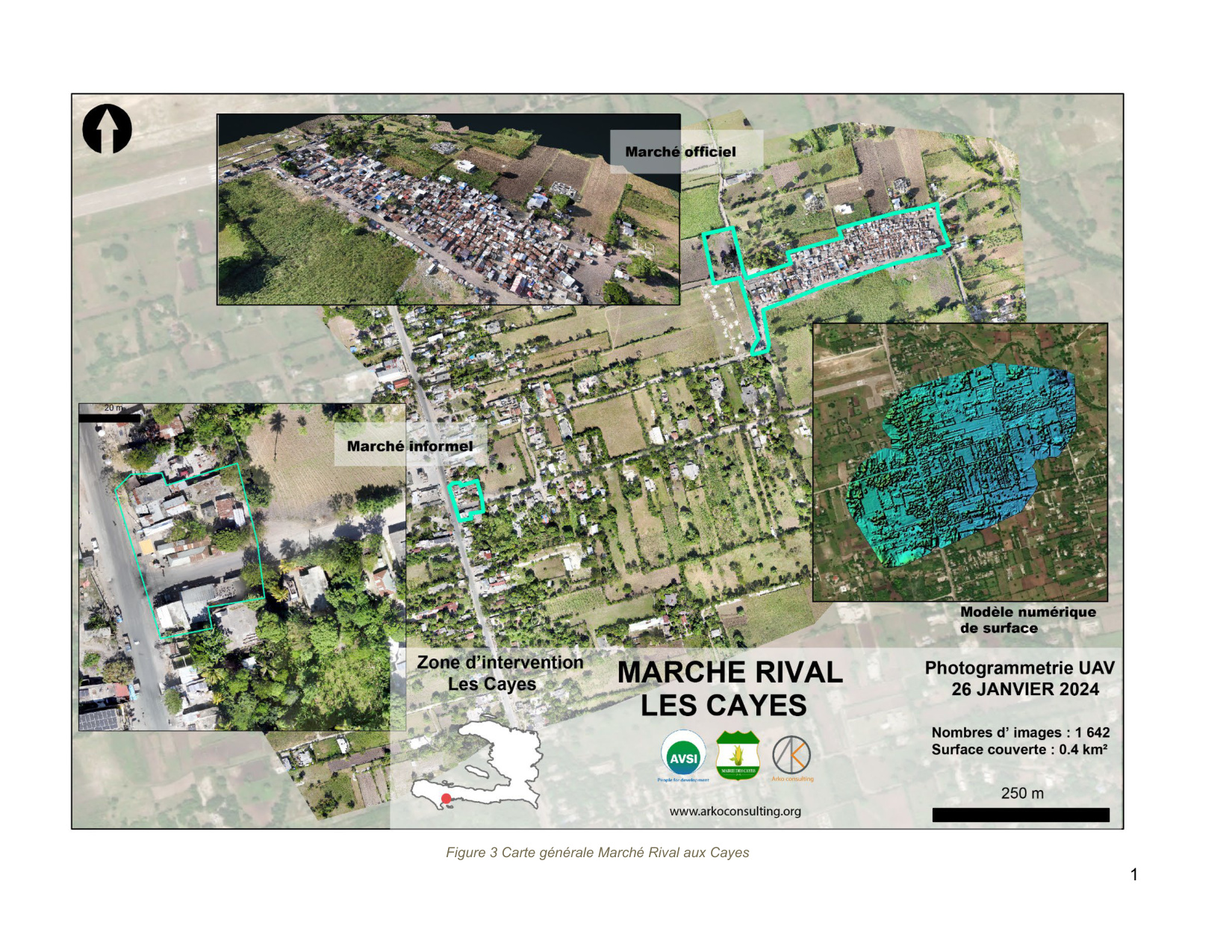
Orthophotos, 3D models, thematic mapping, and GIS analyses produced by TerraData in Haiti and the Caribbean.
Field data + drone mapping + AI = complete decision-making system. These maps are not static images. They are designed to be cross-referenced with field collection data — household surveys, GPS measurements, participatory observations — to produce multi-criteria analyses, vulnerability indices, and georeferenced reports directly usable by donors and project teams.
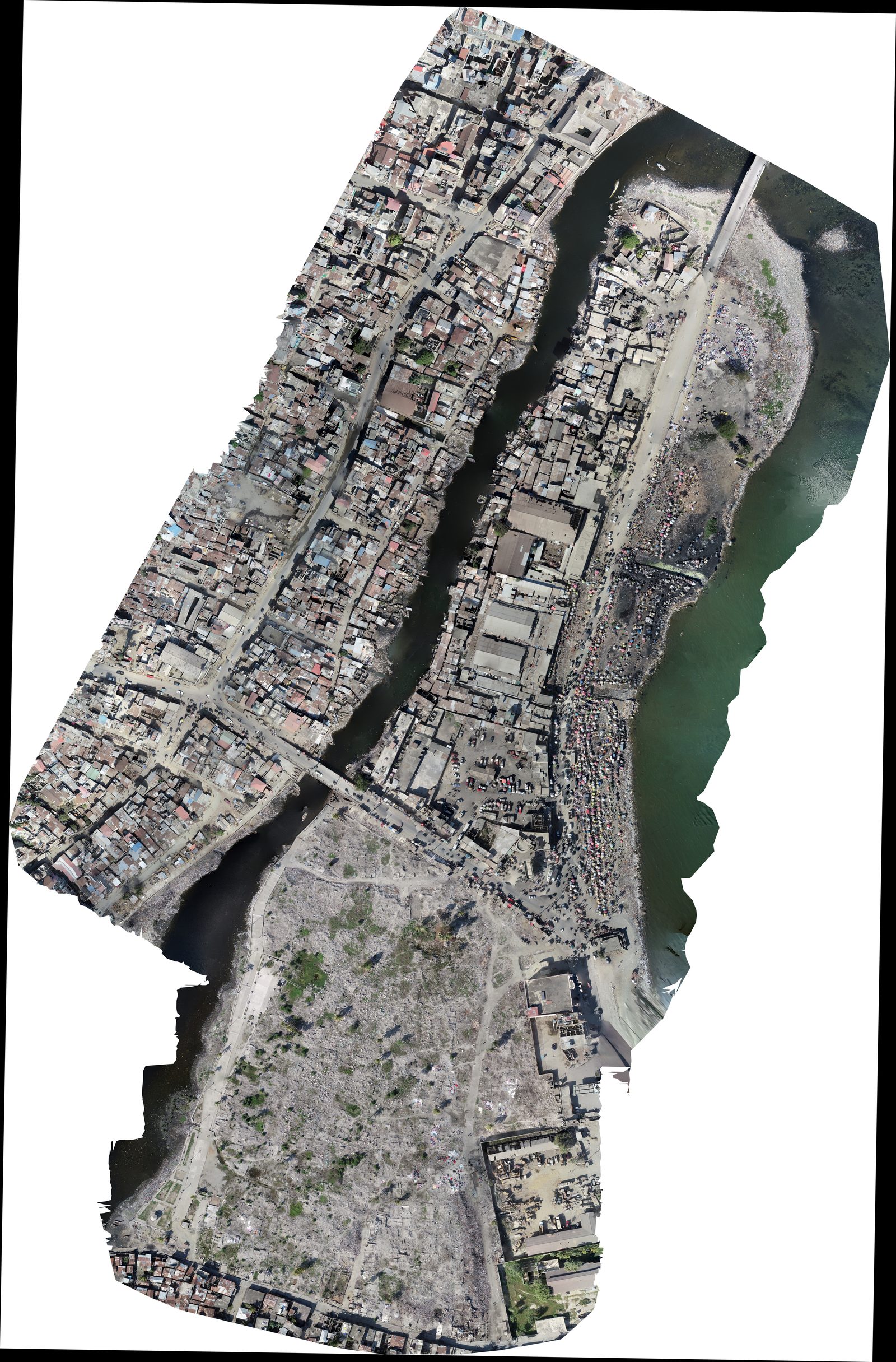
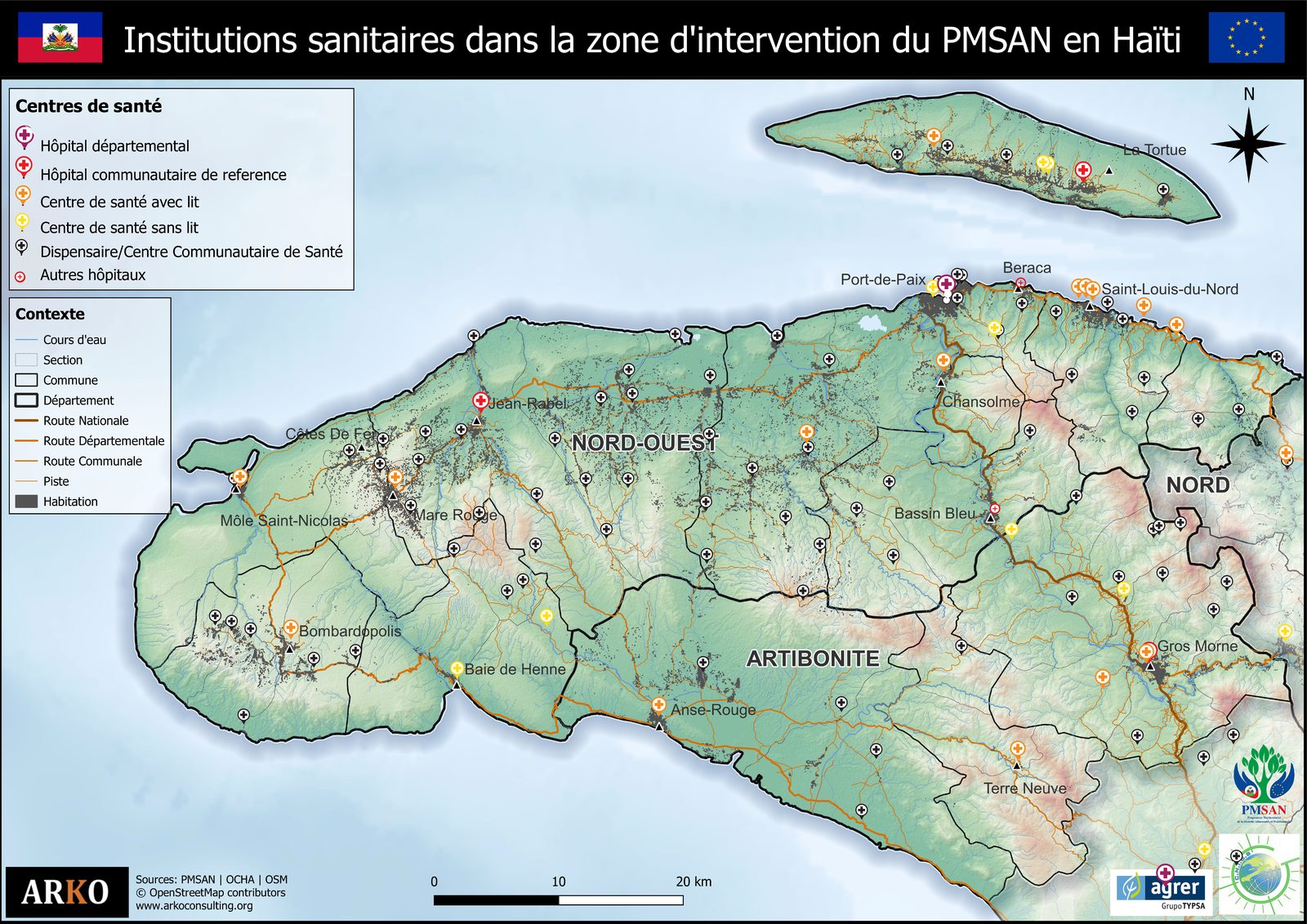
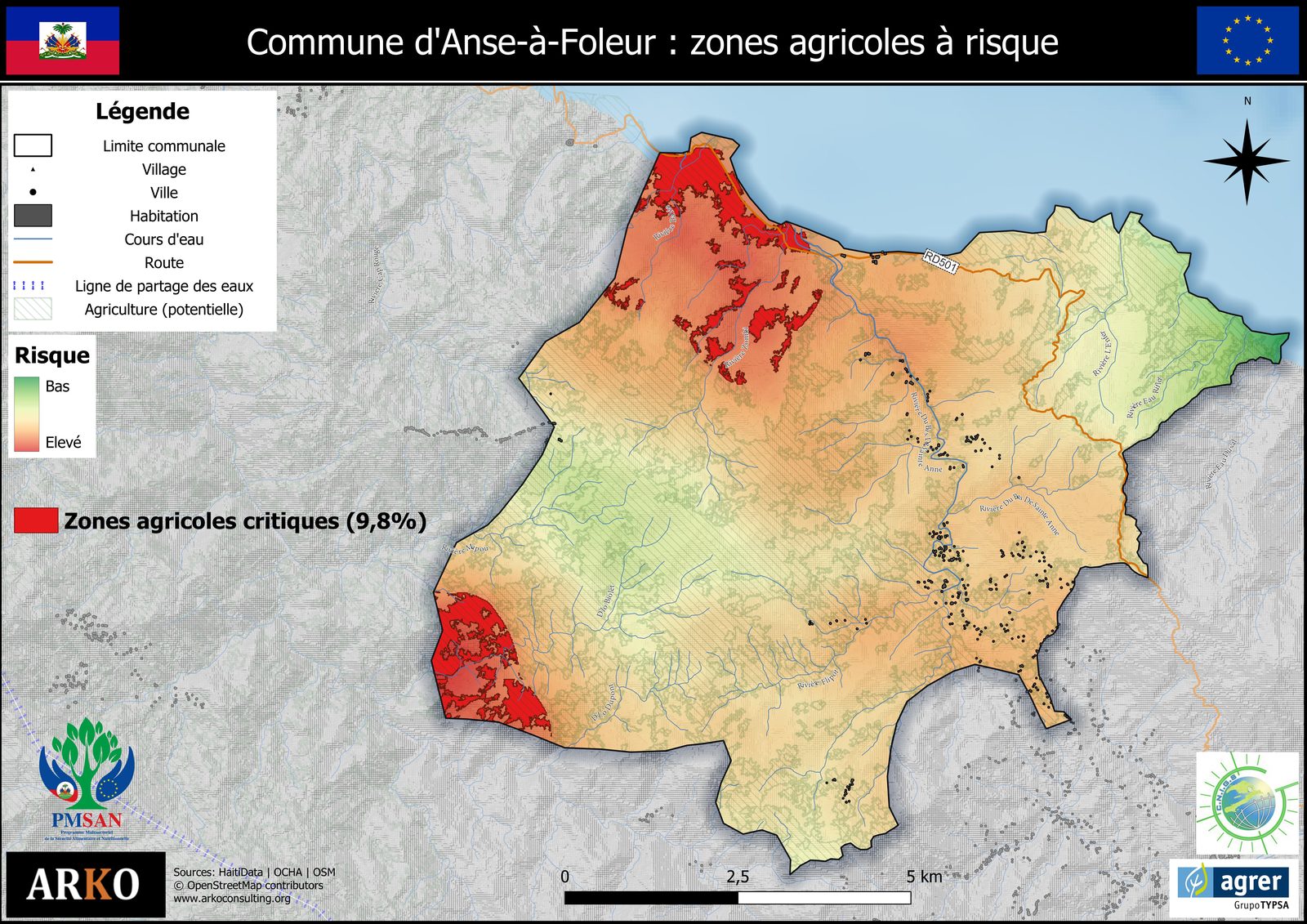
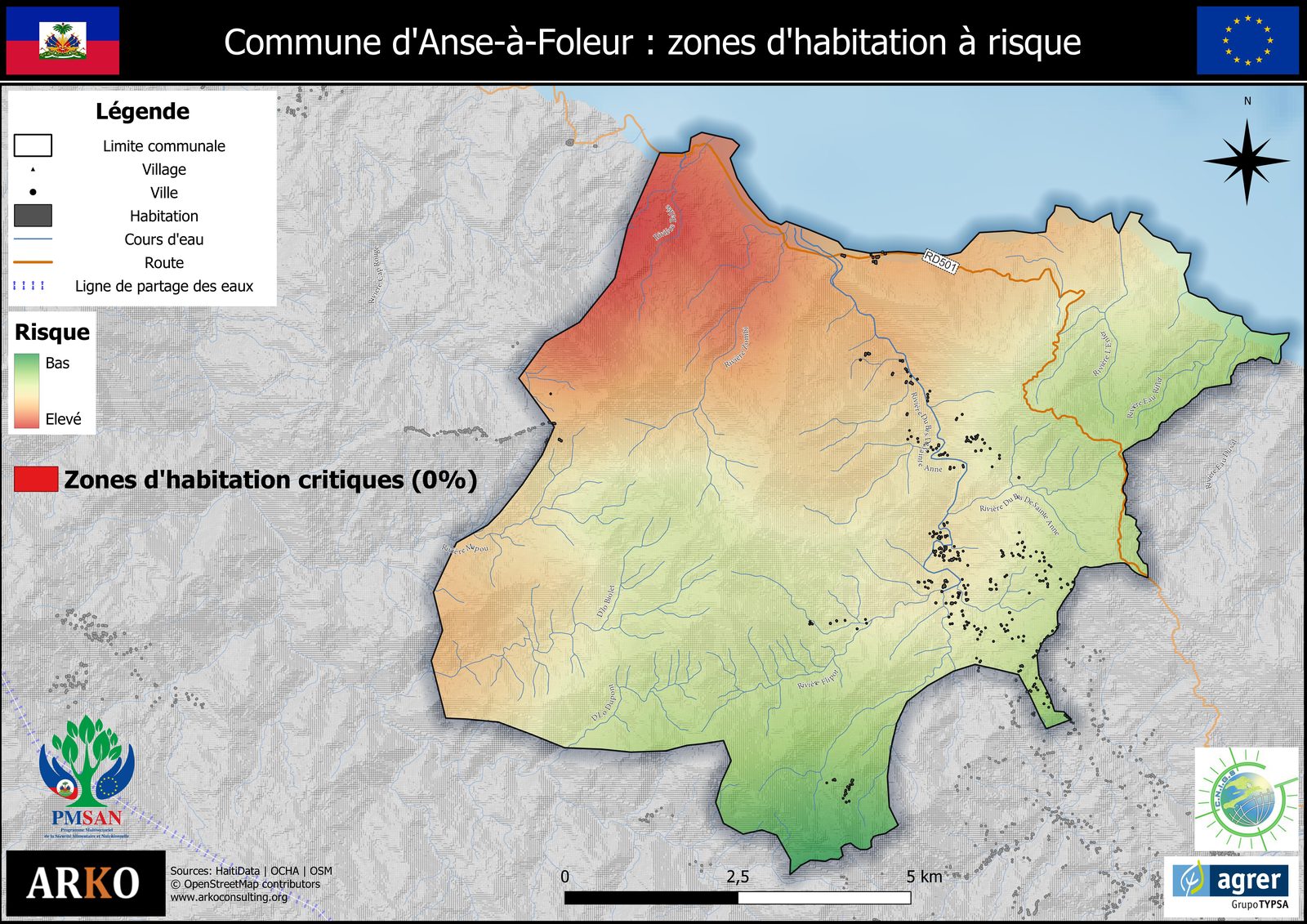
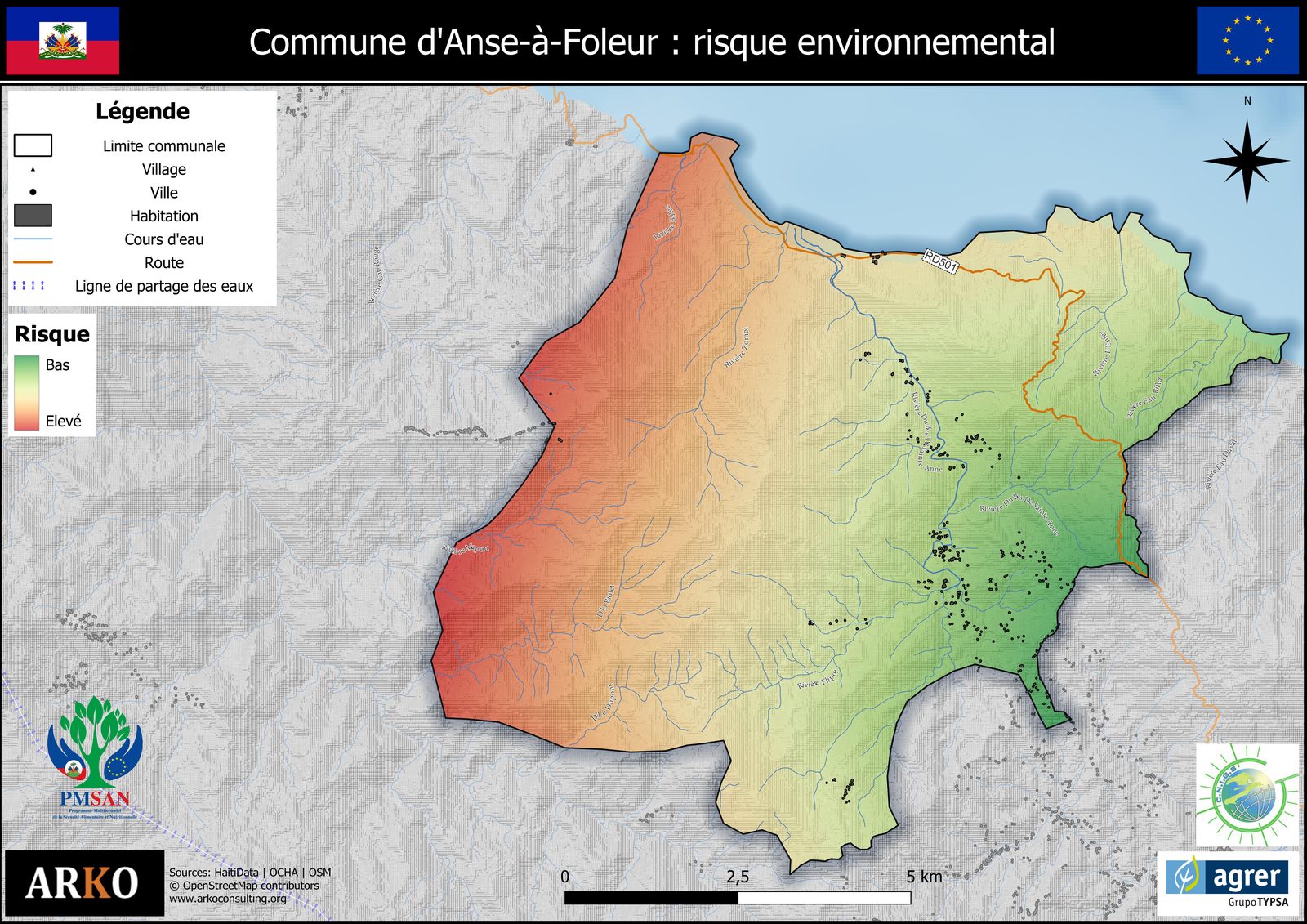
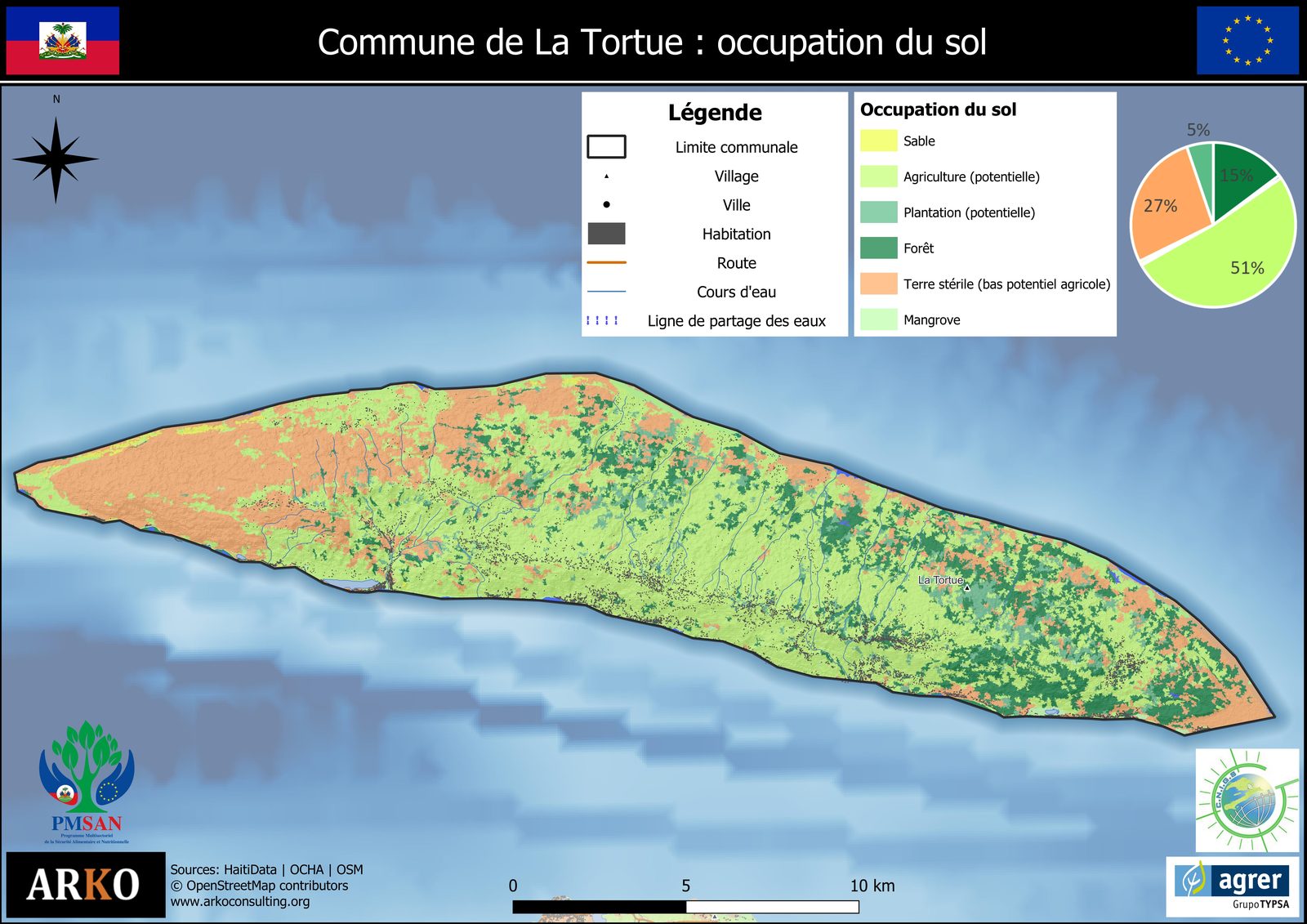
Baseline produced for the AGRER/ArkoConsulting consortium — 12 municipalities, 4 thematic layers per municipality.
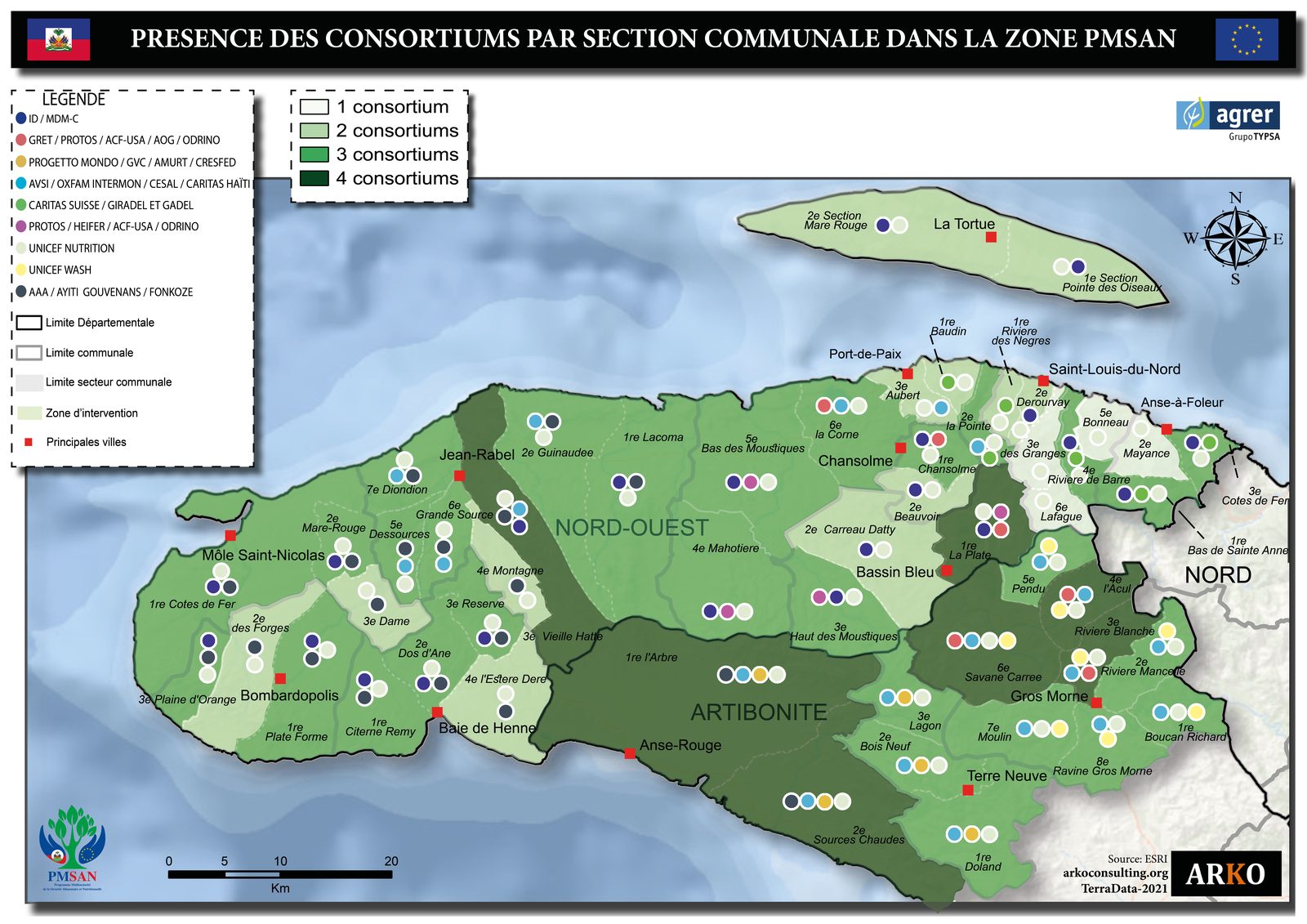
Municipality example — Anse-à-Foleur (4 layers)
Learn to produce and leverage this data
Modules B (photogrammetry), C (AI), D (development), and G (field)
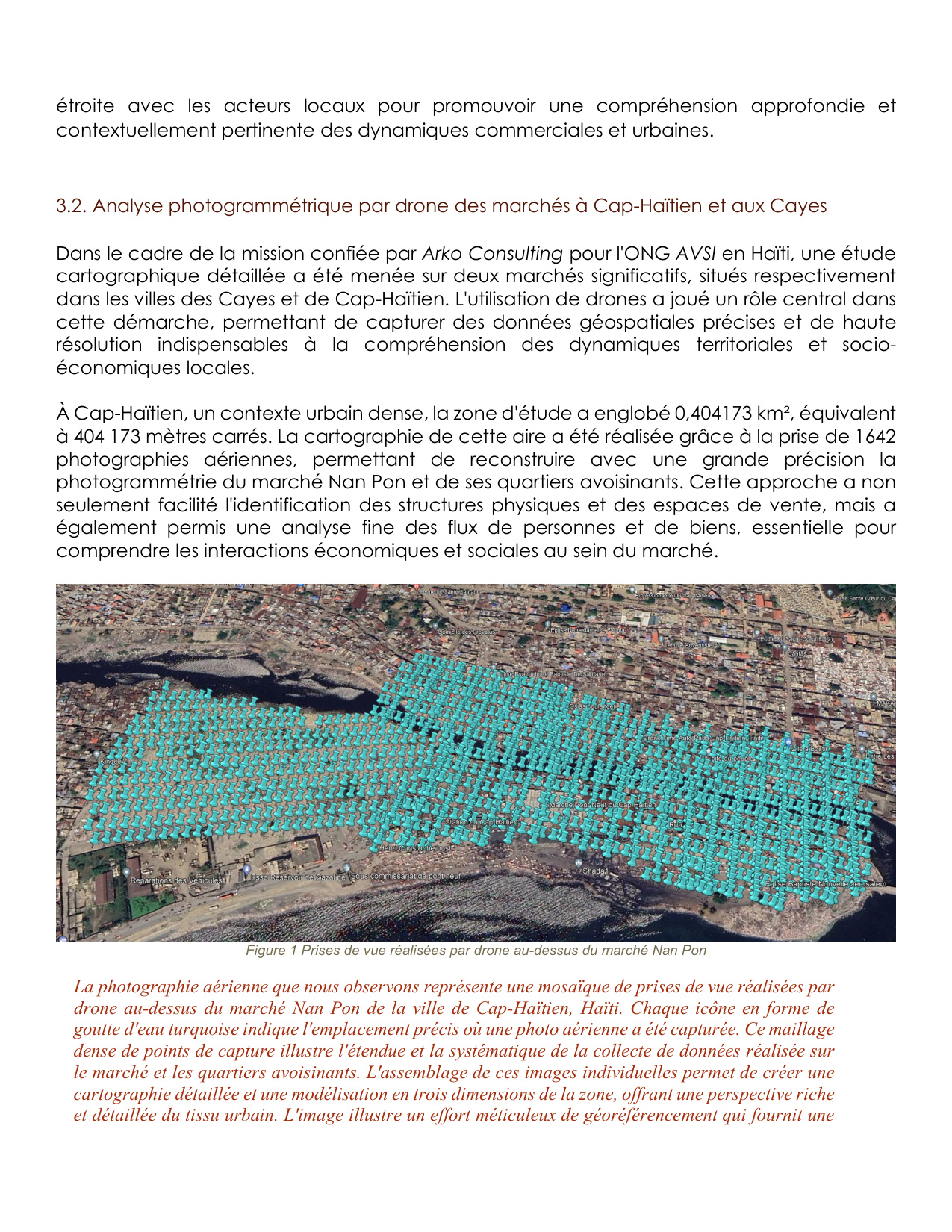
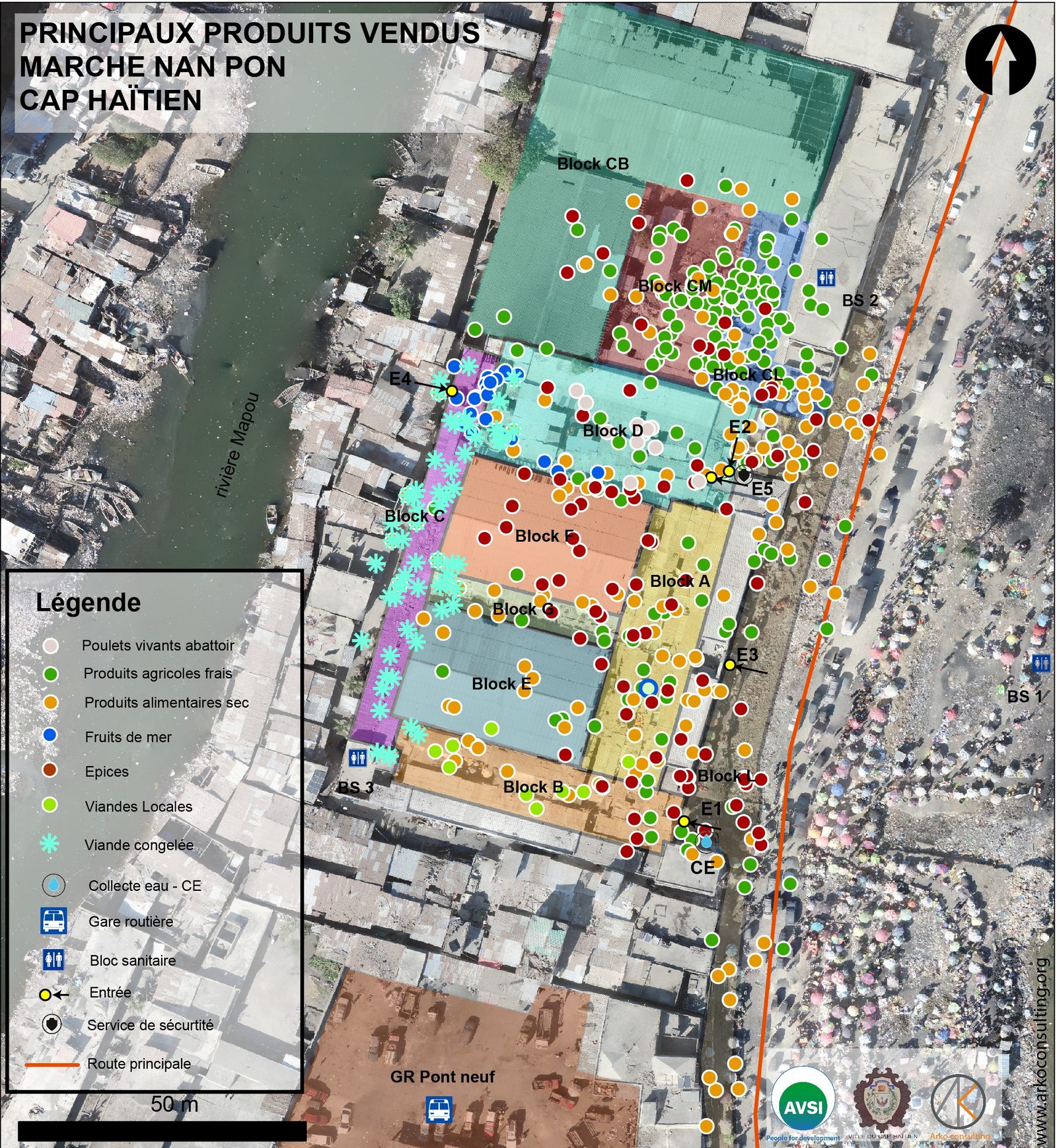
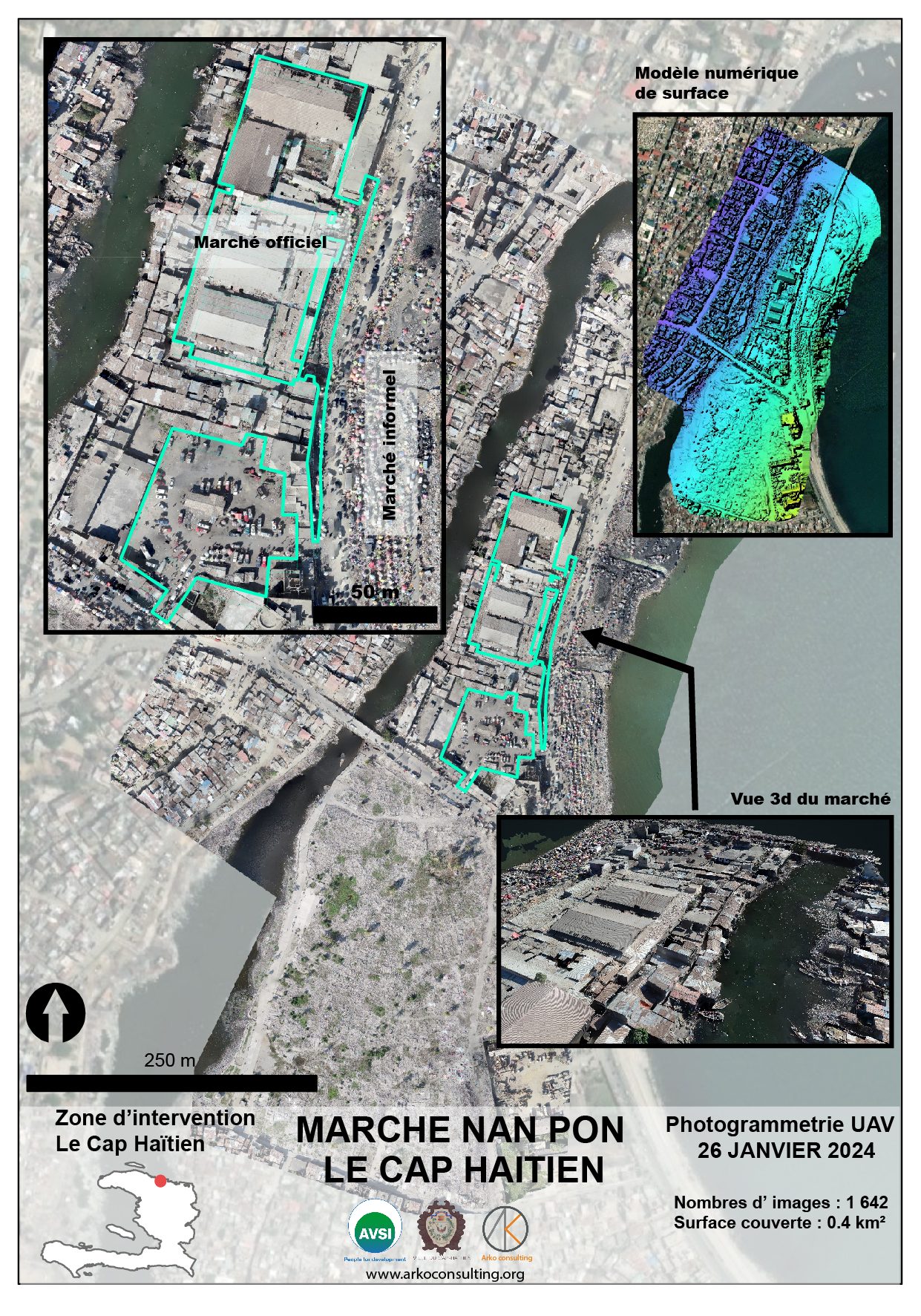
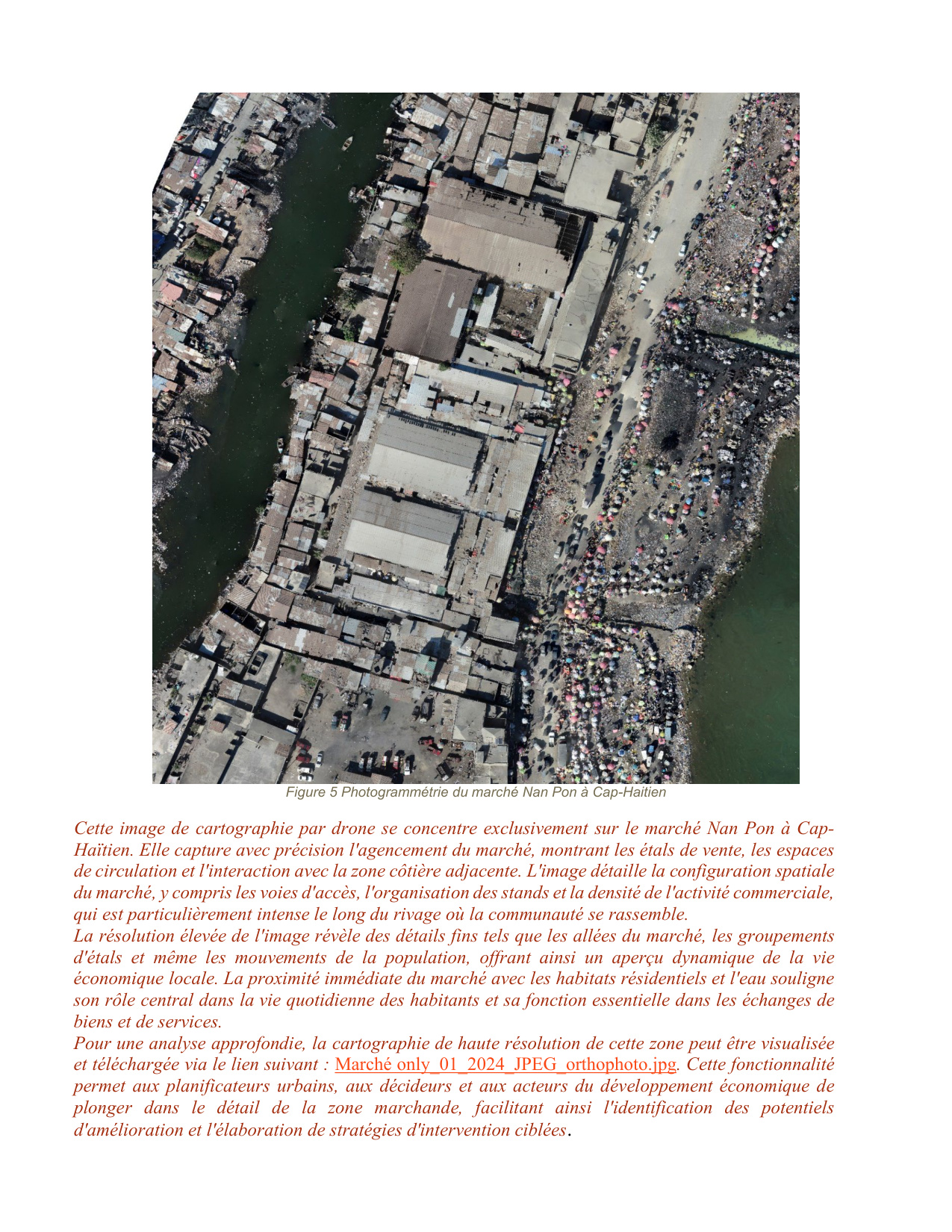
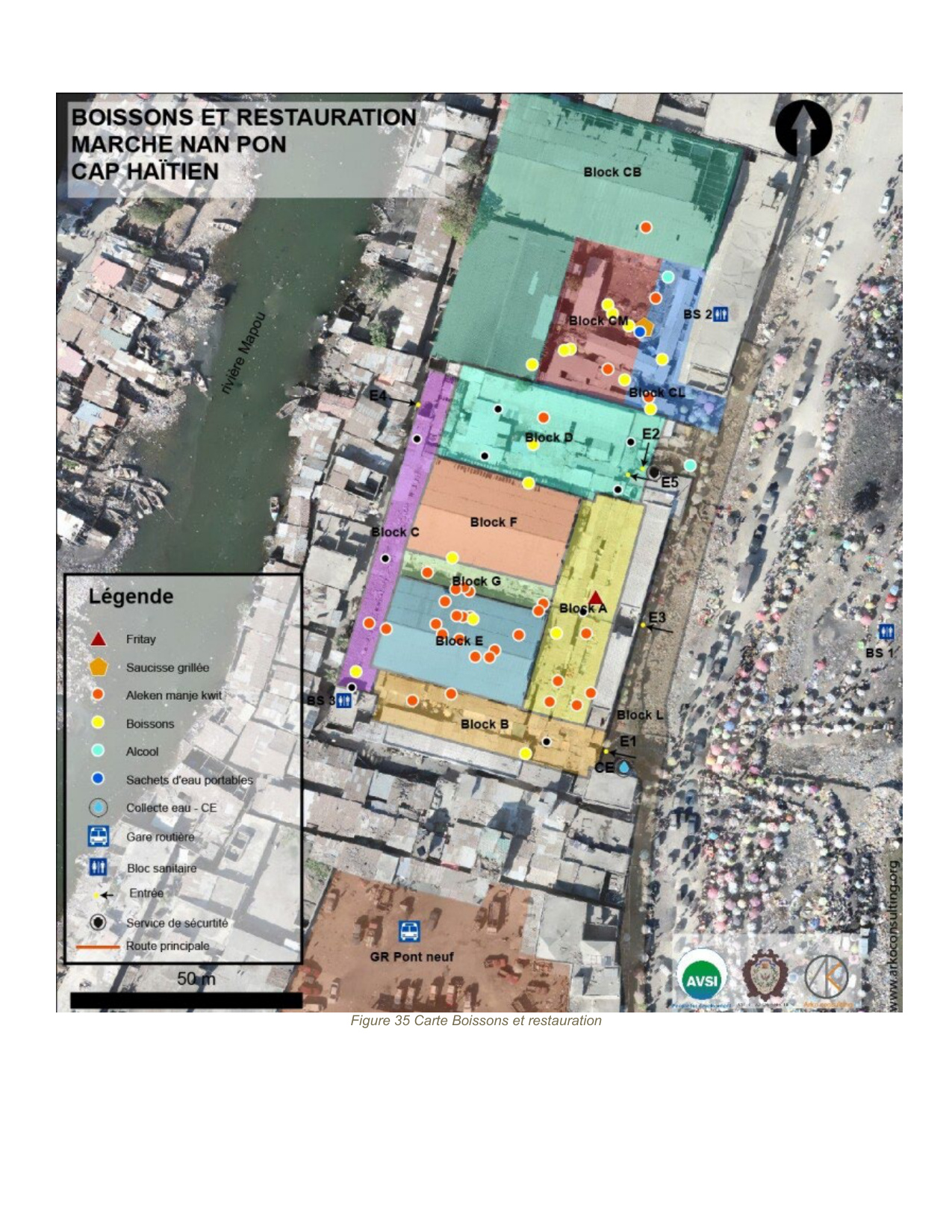
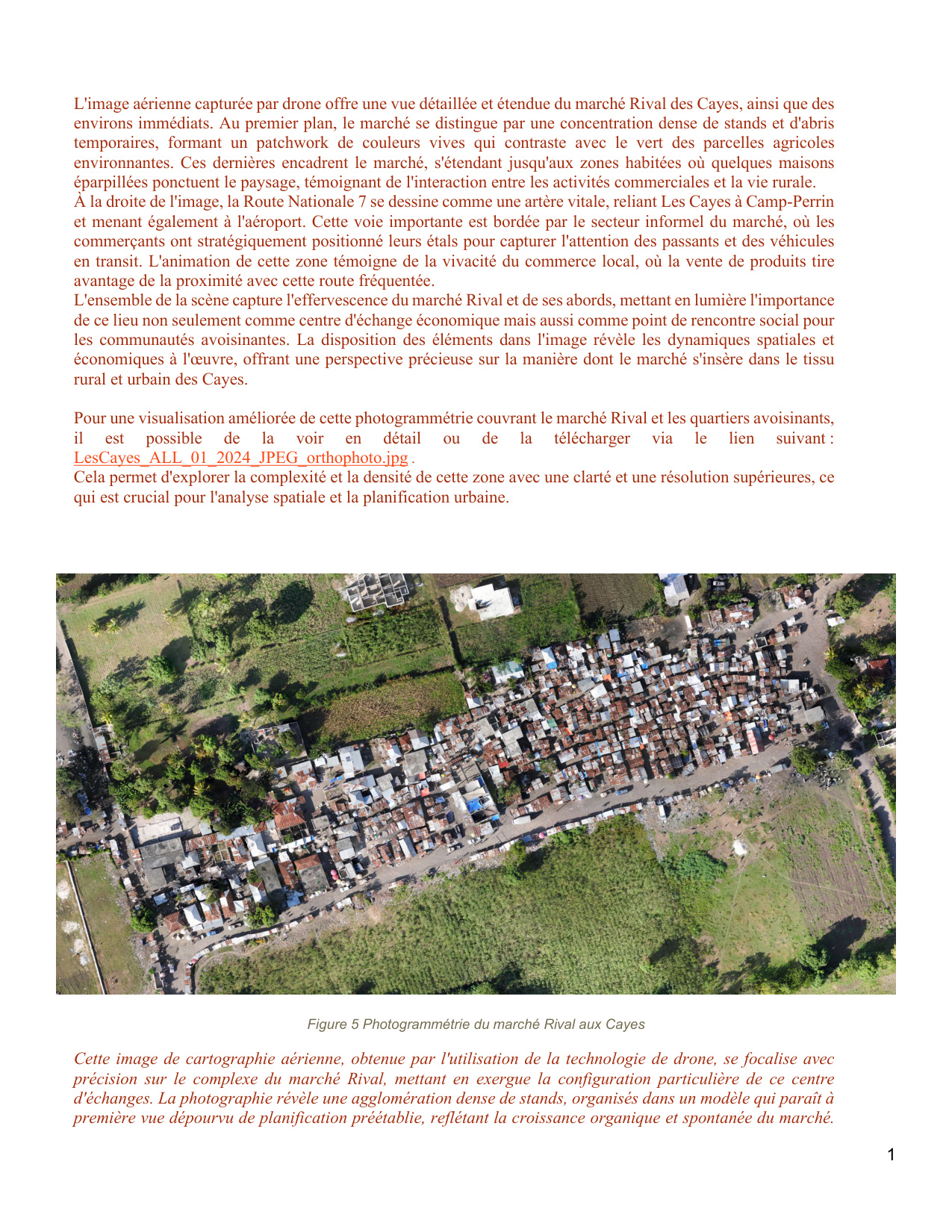
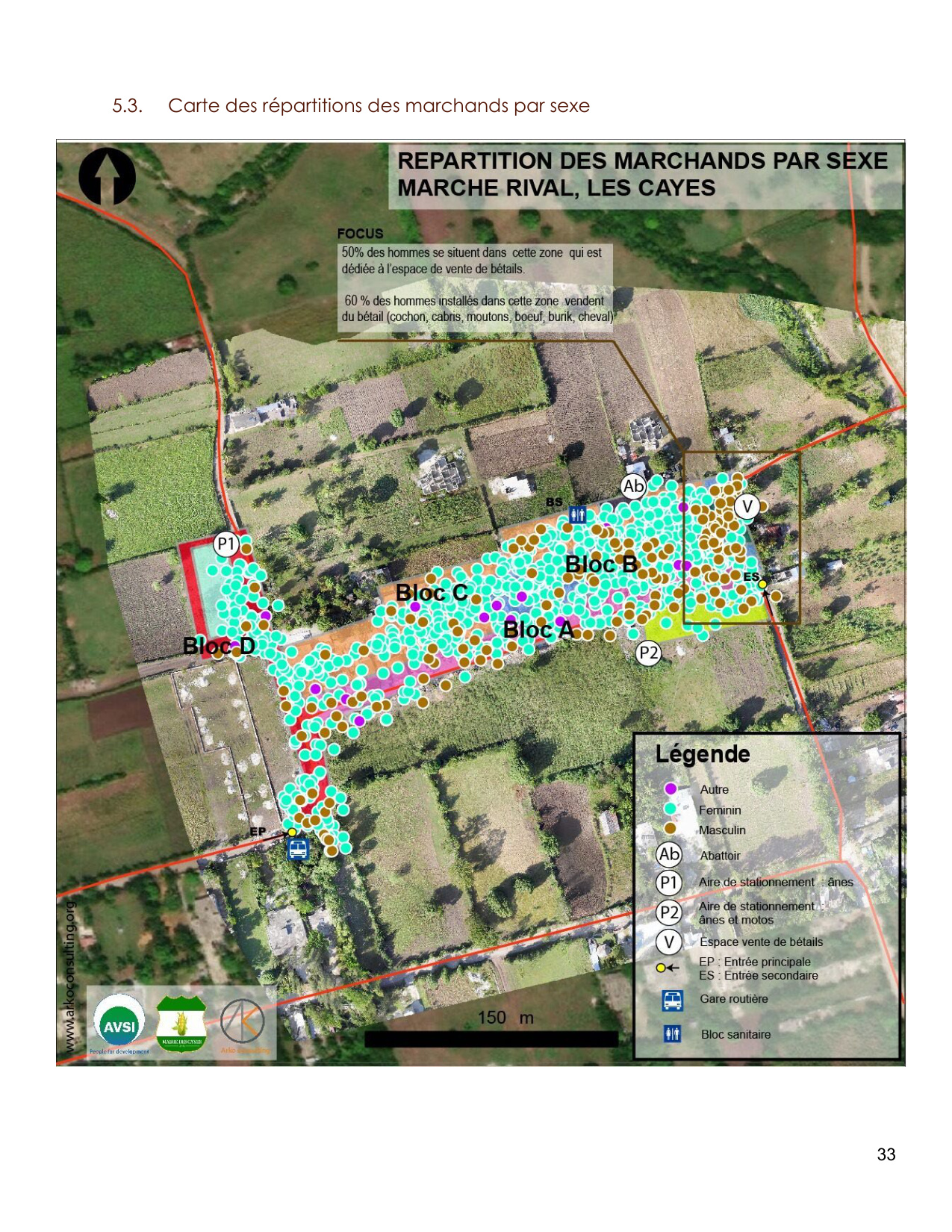
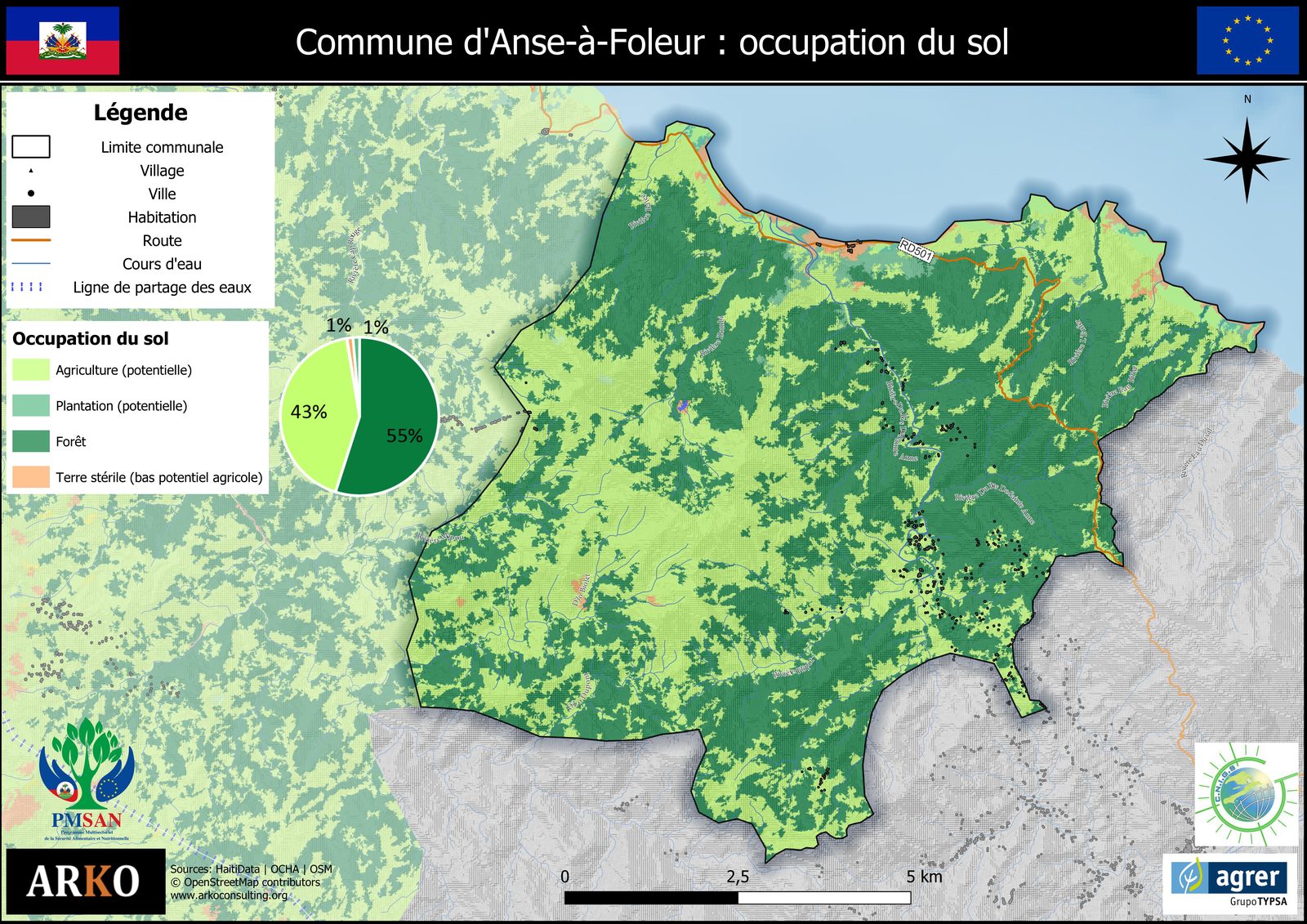
A concrete example of the complete pipeline: drone flight + field surveys + GIS analysis — for AVSI / Cities Alliance
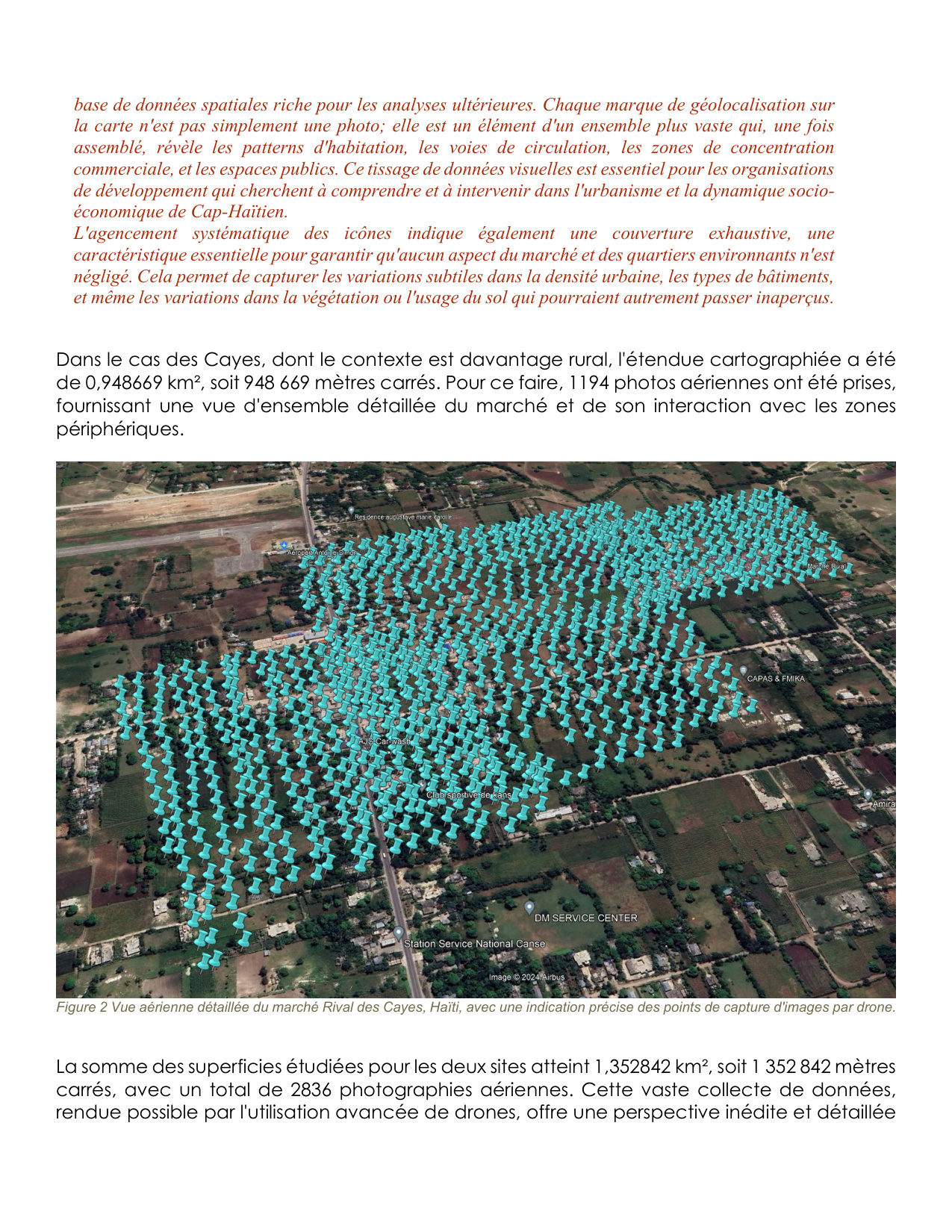
2,836 aerial photos
1.35 km² mapped
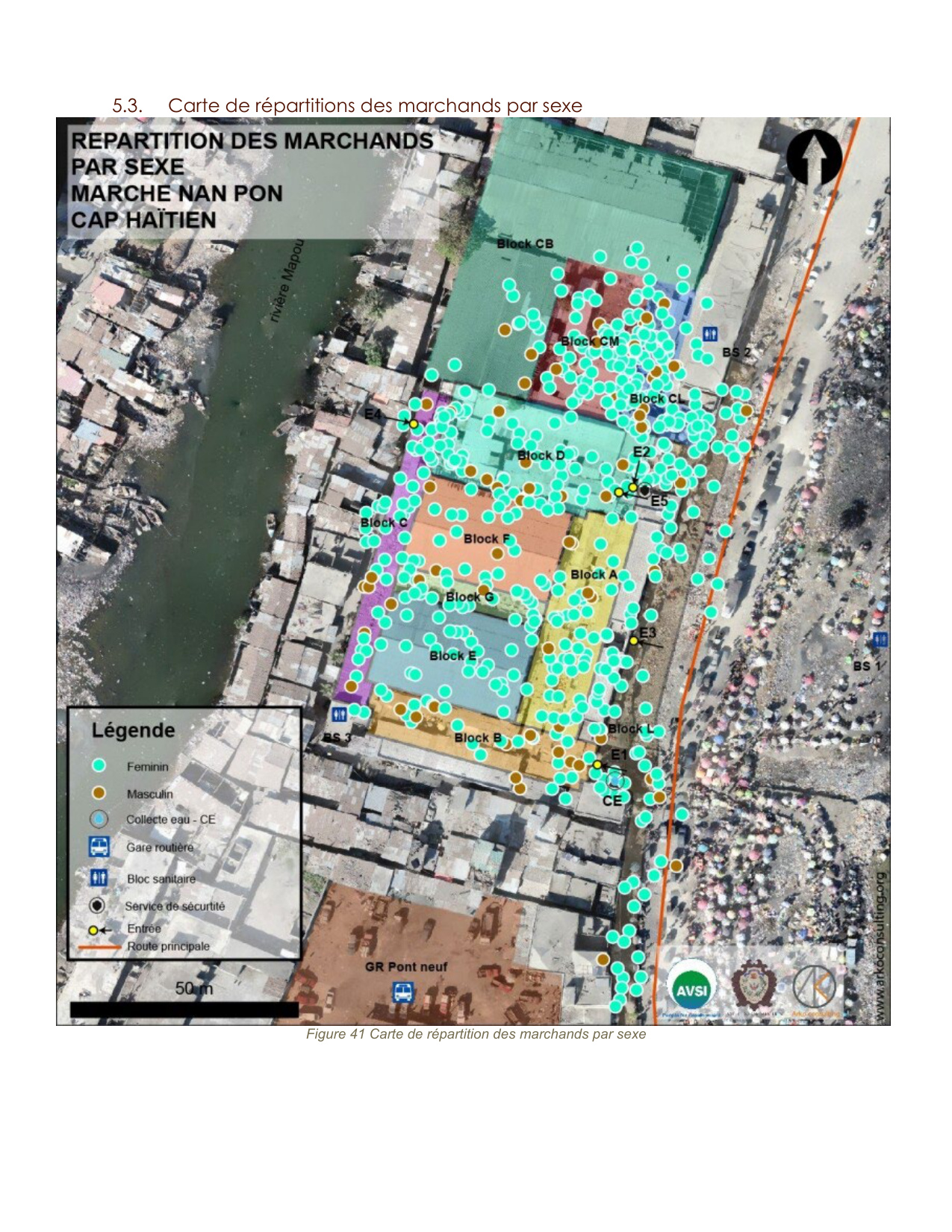
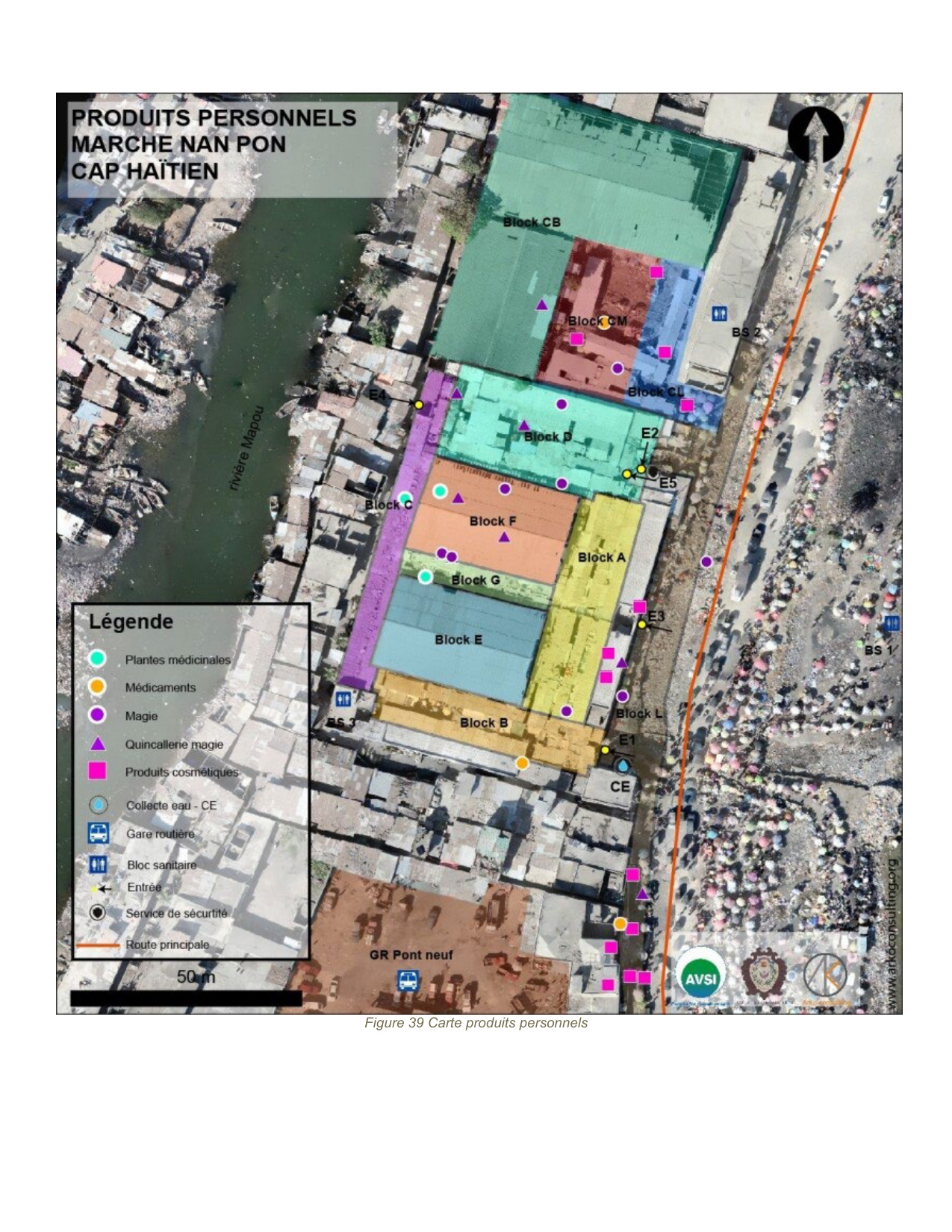
692 vendors surveyed
718 geolocated stalls
Cross-referencing drone data
+ surveys on QGIS
10 thematic maps
3D models + reports
The key principle: field collection data (household surveys, GPS measurements, participatory observations) are overlaid on drone orthophotos within a single GIS environment. Each geolocated stall is enriched with socio-economic attributes — products, gender, income, security perception — creating a georeferenced decision-making system directly exploitable by the donor.
This methodology is taught in modules B, C, D, and G of our programme.
Roads cut off, no connectivity, entire days of ground teams mapping damage. Resource allocation decisions are made blind.
A drone surveys the affected area, AI analyses 2,000 buildings in 7 minutes, classifies damage into 4 severity levels, and produces a map of passable roads. Reference: CLARKE system (Texas A&M), >90% accuracy.
E.1 Post-disaster assessment + C AI and imagery
No reliable cadastre, impossible to measure cultivated areas, yields remain estimated. Food security programmes lack baseline data.
An eBee X maps 500 ha in a single flight, 3 cm precision. AI automatically segments plots, detects water stress through multispectral imagery.
D.1 Agriculture + B Image to map + C AI
Camps evolve too fast, structures are tiny, and ground-based counts are slow and inaccurate. Impossible to plan basic services without reliable data.
Kakuma, Kenya — 102 drone flights, 161,000 images. AI automatically identifies tents, solar panels, and latrines to estimate population and needs.
E.2 Camp mapping + C AI
REDD+ projects require precise forest cover data. Satellite images are often blocked by clouds in tropical zones, making monitoring impossible.
The drone flies below the clouds, producing orthophotos at 2–5 cm/pixel. AI quantifies deforestation through automated change detection.
D.2/D.3 Forests & biodiversity + C AI
The EU, United Nations, and AFD require evidence-based results. Narrative reports are no longer sufficient.
A drone flight combined with AI produces measurable, georeferenced, dated, and reproducible indicators. Data that directly meets donor requirements.
G.4/G.5 Project design & budget + B Image to map
Overview & decision
1 dayPhotogrammetry & GIS
2 daysAccessible deep learning
2 daysSector applications
1–2 dPDNA & camps
1–2 dDo-No-Harm
1 dayFlight & analysis
2–3 dClick on each module to discover the sessions, exercises, and expected outcomes
Comprehensive overview of the drone ecosystem for international cooperation. When is a drone relevant? When is it not? How to integrate a drone component into a donor-funded project?
Ability to assess the relevance of a drone component in a project
From flight planning to exploitable thematic map. This module covers the entire chain: sensors, photogrammetric processing, derived products, and GIS analysis.
Guided practical — orthophoto production and GIS analysis on QGIS
Mastery of the drone → thematic map processing chain
The differentiating module. Makes AI accessible to non-IT professionals. From semantic segmentation to object detection, participants learn to leverage AI for decision-making.
Complete analysis — of an orthophoto with AI, from raw image to decision report
Ability to leverage AI products for decision-making
Selectable sub-modules based on your organisation's intervention sector. Each sub-module combines real cases, field data, and practical exercises.
Concrete drone+AI application in your intervention sector
The flagship sub-module: post-disaster needs assessment (PDNA). From drone flight to AI-automated damage map, in a real humanitarian context.
Practical with real data — Maxar Open Data, post-disaster damage assessment
Operational mastery of drones in humanitarian contexts
Navigating regulatory and ethical constraints in each country of intervention. From the EASA framework to African regulations, including Do-No-Harm and data protection.
Ability to operate in compliance in any context
Hands-on training with real ARKO equipment (eBee X, quadcopters). From mission preparation to the final report, including field flight and integration into a donor logical framework.
Complete drone mission — from planning to final report
Operational autonomy to design and supervise a drone mission
Each organisation composes its pathway freely. No fixed format. Modules are combinable according to your needs, sector, and team level.
30 minutes of free consultation to identify the modules suited to your context.
info@arkoconsulting.org · Barcelona • Port-au-Prince • Bujumbura • Tunis
Each training is tailored to the context, sector, and objectives of your organisation. Contact us for a bespoke proposal.
We design programmes tailored to all organisations. From a 3-day session for decision-makers to a full 13-day programme with fieldwork.
Book a free 30-min call Send an email